
Customs Inspection in Belgium
 Roeslan Ozdoyev5 min read
-1024x1024.webp)
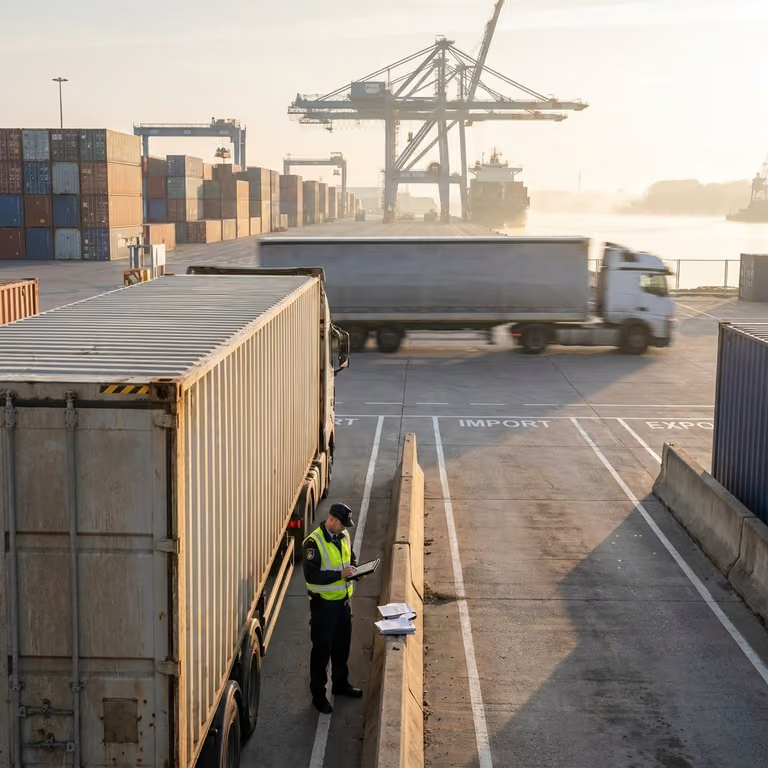
A customs inspection in Belgium is a control carried out before goods are released. It may be a document check only, or a physical examination used to confirm that the goods, value, origin, and compliance details match what was declared. Not every shipment is inspected. Belgian customs can select cargo through risk analysis, random control, or because something in the filing looks incomplete, unclear, or inconsistent. The practical questions are always the same: why the shipment was stopped, what customs wants to see, how long release may take, and how to avoid customs delays and extra cost. This guide covers the main triggers, the inspection flow, the documents customs checks, and the preparation steps that reduce disruption.
Why Belgian customs inspects some shipments
Belgian customs inspections are compliance controls on goods and declarations, not just routine terminal or carrier delays. A shipment may be selected if the goods description is vague, the declared value or origin raises questions, the duty or VAT treatment looks inconsistent, or the cargo includes restricted, regulated, or other higher-risk items. The check may stay documentary or become physical, including on sea freight and containerized cargo. Many shipments are released without inspection, but if cargo is selected, release timing depends on the type of control and its findings.
What the inspection process looks like from hold to release
- Customs places the shipment on hold and may request documents or clarification.
- The broker, forwarder, carrier, or terminal arranges access to the goods if a physical check is required.
- Customs reviews paperwork only, or opens cartons, pallets, or containers to compare the cargo with the declaration.
- After the check, customs may release the goods, ask for more information, require a corrected declaration, or reassess duties and VAT.
- If the hold continues, storage, handling, or repacking may follow. Timing varies with the control type, terminal procedures, and how quickly missing details are resolved.
The Belgium-specific compliance checks that decide release
Belgian import controls operate within the EU customs framework, so release depends on whether the filed declaration and supporting data stand up under that system. Customs will look closely at tariff classification, including the HS code, customs value, origin, importer or declarant details, duty and VAT treatment, and any permits, certificates, or product-specific requirements for controlled goods. The setup behind the declaration also matters. Responsibility must be clear, and if the case involves fiscal-representation arrangements or goods kept under customs control while an issue is resolved, that structure needs to fit the clearance. In practice, a Belgian import is only as strong as the data filed for Belgian customs release.
The documents customs will verify before release
Document | What customs checks |
|---|---|
Commercial invoice | Seller and buyer details, product description, declared value, currency, Incoterms, and consistency with the customs declaration |
Packing list | Quantities, weights, package count, marks, and whether the cargo can be matched to the declared goods |
Transport document | Consignee and shipper details, routing, shipment reference, and consistency with the goods presented for clearance |
Value support | Evidence supporting the declared customs value, especially where pricing, related parties, or add-on costs need explanation |
Origin or permit documents | Country of origin, preference claims, and any certificates, declarations, or authorizations required for sensitive or controlled goods |
Mismatches between customs clearance documents often create more trouble than a single missing detail in one file. If quantities, consignee details, origin, or product descriptions do not line up, customs is more likely to ask deeper questions before release.
What usually turns an inspection into delay or extra cost
- Inconsistent documents, especially when the invoice, packing list, and declaration describe the goods differently
- Questionable customs valuation or origin, which can lead to requests for support or revised duties and VAT
- Undeclared special, restricted, or regulated goods that need permits, certificates, or product-specific declarations
- Cargo that is poorly identified, difficult to access, or hard to match to the declaration, increasing handling, storage, opening, repacking, and onward transport delays
- Weak pre-arrival preparation, because document checks, valuation support, and special-goods review before filing reduce the chance that a simple hold becomes a costly intervention
How we prepare Belgian imports for customs inspection
At Ocean Quest Logistics, inspection readiness is built into our customs clearance service and brokerage coordination. Before filing, we align invoice data, packing details, product descriptions, value inputs, and any special-goods requirements so the declaration is based on consistent information. If customs selects cargo, we support fast document follow-up and coordinate communication with the relevant parties so the next step is clear. Where the import setup depends on clear declarant responsibility, fiscal-representation arrangements, or goods remaining under customs control while an issue is resolved, that also needs to be handled correctly. Our approach is shaped by more than 10 years of operational experience and 24/7 automated oversight.
Quick answers to common customs-inspection questions
These short answers cover the practical issues that usually matter most once a shipment has been stopped for customs control.
Does every shipment get inspected in Belgium?
No. Not every shipment is physically inspected. Cargo may be released on the declaration alone, selected through risk analysis or random control, or stopped because the declaration or supporting documents contain gaps, inconsistencies, or product-specific compliance concerns.
How long can a customs inspection take?
A document check may be resolved faster than a physical examination, but there is no single timeline for every case. Duration depends on the type of control, what customs finds, terminal handling, and how quickly the requested documents or clarifications are provided.
Do you need to be present for the inspection?
Usually not. If your customs broker or logistics partner is handling customs communication, physical presence is typically unnecessary. You may still need to respond quickly if customs asks for missing invoices, value support, origin proof, permits, or other shipment details.
What happens after customs finishes the check?
Goods may be released immediately, moved onward after any required handling, or kept on hold if more information, charges, corrections, or permits are still outstanding. If the cargo was opened, repacking, storage, or a corrected declaration may be needed before the shipment can continue.
Ready to move your next shipment?
Tell us what you're moving, where it needs to go and how often. We'll work out the right setup from there.