
Customs Clearance
Import, export and transit declarations, handled around the way your freight actually moves.
Whatever needs clearing, we'll work out the right route.
Import clearance
We handle the declaration, documents and customs formalities when your goods enter the country.
Export clearance
Export declarations prepared around your shipment so the goods can leave without unnecessary delays.
Transit
For cargo moving through one country on its way to another, without clearing into free circulation along the way.
Customs & transport
Need both? We can handle customs together with ocean or inland transport, or keep either service completely separate.
Built for volume.
Built to stay close.
Our systems handle the repetitive work, so our forwarders can stay focused on the decisions, exceptions and details that matter.
Trusted by customers moving 100+ shipments a month with us.
You can see everything, and you can still reach a person.
Know where things stand.
See when documents are received, what is still needed and when the shipment has cleared customs.
Someone who knows your business.
You always know who to call, and they already understand your goods, suppliers and way of working.
Share the view.
Give your warehouse, supplier or customer access to the same shipment information. Export what you need when you need it.
Don't take our word for it.
Start with a few declarations.
Keep your current setup in place and give us a few import, export or transit files. See how we work, how quickly questions are handled and how much easier the process feels.
Frequently asked questions
Can you handle customs without handling the transport?
Yes. Customs can be completely standalone. Send us the shipment details and documents, and we'll take care of the declaration without changing who handles the transport.
Can you handle both import and export declarations?
Yes. We handle import, export and transit declarations, depending on how and where the goods are moving.
What do you need from us for customs clearance?
Usually, we need the commercial invoice, packing list, transport document and the details needed to classify the goods correctly. If anything else is required for your shipment, we'll tell you before we submit the declaration.
Can customs be prepared before the shipment arrives?
Yes. We prepare the file and check the documents in advance so everything is ready when the shipment reaches customs. The actual clearance takes place when the goods are available for declaration.
What happens if something is missing or customs has a question?
We'll contact you directly, explain what is needed and handle the follow-up with customs. You won't be left trying to work out what a message or request means on your own.
Can you handle regular customs volumes?
Yes. We handle both recurring customs flows and individual declarations.
In detail
Customs Clearance
Import and export customs handled without slowing your freight down.
Move goods across borders with fewer delays, fewer document errors, and better visibility. Ocean Quest Logistics supports customs clearance as part of your wider logistics flow, helping you clear import and export shipments accurately so your cargo keeps moving. Whether you need support with import customs clearance, export customs clearance, freight customs clearance, or customs clearance and delivery coordination, you get practical guidance, strict checks, and direct expert support.
What customs clearance means for your shipment
Customs clearance is the process of submitting shipment information and required documents to customs authorities so goods can legally enter or leave a country. It applies to international cargo moved by air, ocean, and other freight modes. In practice, customs clearance covers document review, customs declaration filing, classification of goods, valuation, duty and tax assessment, and release of the shipment.
If the information is incomplete, inconsistent, or filed late, shipments can be held for inspection or delayed in transit. That is why many businesses use a customs clearance company or customs clearance broker to manage the process properly. Ocean Quest Logistics helps you reduce avoidable issues by combining customs brokerage support with freight forwarding, tracking, and operational oversight.
How the customs clearance process works
The exact process varies by country, shipment type, and commodity, but most international shipments follow the same core path from document preparation to customs release.
1. Shipment data and documents are prepared
Before cargo arrives, the shipment details need to be accurate and complete. This usually includes product descriptions, values, quantities, origin details, consignee and shipper information, and transport documents. For import customs clearance, missing details at this stage often create the biggest delays later.
2. A customs declaration is submitted
A customs declaration is filed electronically or through the required local process. This declaration tells customs what the goods are, where they came from, where they are going, and what charges may apply. Accurate filing matters because even small mismatches can trigger review.
3. Duties, taxes, and charges are assessed
Customs may assess import duties, VAT, local taxes, or other customs clearance charges based on the shipment value, classification, country rules, and applicable trade treatment. Some shipments also involve carrier or port-related handling steps before final release.
4. Customs may inspect or request clarification
Not every shipment is inspected, but customs can stop cargo for review if documents are incomplete, the product type is sensitive, the declared value raises questions, or additional permits are required. At this point, quick response time becomes critical.
5. The shipment is released for onward movement
Once customs requirements are met and any assessed charges are handled, the goods receive customs release and can continue to delivery, warehousing, distribution, or final handoff. This is the point many businesses refer to as customs clearance complete or customs clearance to release.
What documents are commonly required for customs clearance
Documents are one of the most important parts of customs processing. The top-ranking pages put strong emphasis on this, and for good reason: incomplete or inaccurate paperwork is one of the main causes of delays, added costs, and shipment holds.
The exact requirements depend on the shipment and country, but these are the most common documents used in commercial customs clearance:
- Commercial invoice
- Packing list
- Bill of Lading or Air Waybill
- Customs declaration form
- Certificate of origin, when required
- Import or export licenses for controlled goods
- Health, safety, or product certificates where applicable
- Importer identification details, such as tax or registration numbers where required locally
Why these documents matter
Each document supports a different part of customs clearance. The invoice helps customs understand value and transaction details. The packing list confirms quantities and packaging. The transport document links the cargo to the movement itself. Origin documents can affect duty treatment. Licenses and certificates help prove compliance for regulated products.
If a shipment includes vague product descriptions, incorrect values, or inconsistent quantities between documents, customs may request clarification or escalate the shipment for inspection. That is why a reliable customs clearance broker does more than submit paperwork. The real value is in checking that every document aligns before filing.
Who pays customs clearance charges
Who pays customs clearance charges depends on the shipping agreement, the commercial setup between buyer and seller, and the applicable trade terms. In many cases, the importer or consignee is responsible for duties, taxes, and related import clearance costs. In other cases, the seller may arrange payment as part of the landed cost model.
This is one of the most common questions around customs clearance cost because businesses want to avoid surprise invoices after the cargo arrives. If responsibility is not clearly agreed upfront, delays can happen while parties confirm who will pay what and when.
Typical cost responsibility can include:
- Import duty
- VAT or local tax
- Brokerage or clearance handling fees
- Storage, exam, or terminal-related charges if a shipment is delayed
For smoother execution, payment responsibility should be established before cargo moves. That helps avoid issues when customs clearance services need fast action for release.
How long customs clearance takes
Customs clearance can take a short time for straightforward shipments, but timing depends on several operational factors. In the analyzed search results, timing is handled as a practical concern rather than a fixed promise, which matches real-world logistics.
Common factors that affect customs clearance timing include:
- Accuracy and completeness of documents
- Type of goods and whether they are regulated
- Country-specific customs procedures
- Whether duties and taxes are ready to be settled
- Inspection, exam, or additional document requests
- Mode of transport, such as air freight customs clearance or sea freight customs clearance
Simple shipments with correct paperwork can clear quickly. Shipments with classification issues, missing declarations, or compliance questions can take much longer. If cargo is held for inspection, timing may extend from hours or days into weeks depending on the authority, commodity, and required follow-up.
Why shipments get delayed at customs
Many shipments do not get delayed because of customs alone. They get delayed because the information submitted to customs is incomplete, late, inconsistent, or unsupported by the right documents. That distinction matters because it shows where problems can actually be prevented.
Common reasons for customs delays
- Incorrect or vague product descriptions
- Missing commercial documents
- Value discrepancies between invoice and declaration
- Wrong classification of goods
- Missing permits or certificates
- Random or targeted customs inspection
- Late response to customs queries
What happens if cargo is stopped
If customs needs more information, the shipment may stay on hold until the required clarification is provided. In more serious situations, goods can be refused, returned, or subject to enforcement action depending on the commodity and local law. Fast communication and document control are essential at this stage, especially for import customs broker support and shipment customs clearance management.
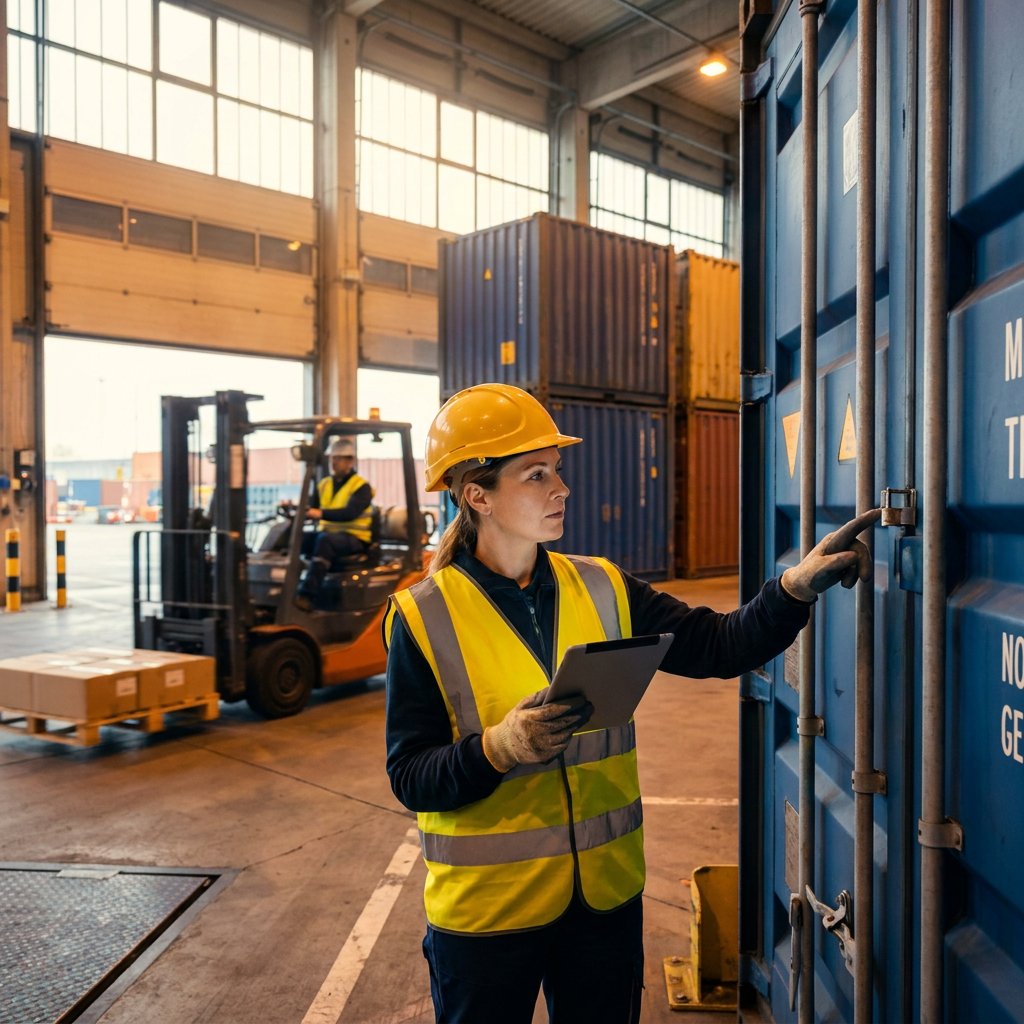
How Ocean Quest Logistics helps you clear customs more smoothly
Ocean Quest Logistics provides customs brokerage support as part of a broader logistics service. That matters if you want a partner who can connect customs clearance with freight movement, tracking, warehousing, and final delivery instead of treating customs as a disconnected step.
Our approach is built around precision, strict checks, and direct support. We help businesses reduce delays by making sure shipment data is reviewed early, documents are checked before filing, and issues are escalated quickly when action is needed. You also benefit from real-time shipment tracking and one dedicated logistics expert rather than fragmented communication. You can also explore our services for related logistics and operational support.
This is especially useful if you need support for:
- Import customs clearance for international cargo
- Export customs clearance before departure
- Air cargo customs clearance for time-sensitive freight
- Sea freight customs clearance for containerized shipments
- Customs clearance and freight forwarding under one workflow
- Customs clearance and delivery coordination after release
When to use a customs clearance broker
A customs clearance broker is most valuable when the cost of delay is higher than the cost of proper preparation. If your shipment involves multiple documents, high-value cargo, recurring imports, regulated products, or tight delivery deadlines, specialist support can prevent avoidable disruption.
You may benefit from a customs clearance agent or customs clearance company if you want to:
- Reduce filing errors and document mismatches
- Handle import clearance more efficiently
- Improve visibility across freight and customs steps
- Respond faster to customs queries
- Avoid unnecessary storage and delay costs
For many businesses, the best setup is not just a broker to clear customs, but a logistics partner that can support movement before, during, and after customs release.
Customs clearance for import and export shipments
Import and export customs clearance share the same need for accuracy, but the operational focus is different in each direction.
Import customs clearance
Import customs clearance focuses on getting inbound goods legally released into the destination country. This usually involves declaration filing, value review, classification, permits when required, and settlement of duties and taxes. It is often the point where customs clearance cost becomes most visible.
Export customs clearance
Export customs clearance focuses on declaring outbound goods correctly before departure. Depending on the cargo and destination, this can involve export documentation, commodity controls, transport documents, and proof required for compliant export movement.
If your business moves cargo regularly, handling import export customs clearance through one operational partner can create a more consistent process across both sides of the supply chain.
Ways to reduce customs clearance problems
The strongest competitive pages cover prevention in practical detail. That is important because most businesses searching customs clearance are not looking for theory. They want fewer holds, faster release, and less back-and-forth.
To reduce customs issues, focus on these basics:
- Use clear, specific product descriptions
- Make sure invoice, packing list, and shipment data match
- Prepare documents before cargo arrival
- Confirm who is responsible for duties and taxes
- Respond quickly if customs asks for clarification
- Work with a customs clearance broker that also understands freight operations
These steps sound simple, but they make a major difference in real customs processing. Good customs clearance is usually the result of preparation, not last-minute problem solving.
Frequently asked questions
What is customs clearance?
Customs clearance is the process of submitting shipment details and documents to customs authorities so goods can legally enter or leave a country. It includes declaration filing, document checks, possible duty and tax assessment, and customs release.
What does it mean if your package says customs clearance?
It usually means the shipment is being processed for import or export approval. That does not always mean there is a problem. It can simply mean the goods are in the normal customs processing stage before release.
How long does customs clearance take?
There is no single fixed timeline. Straightforward shipments with complete paperwork can clear quickly, while shipments needing inspection, clarification, or extra permits may take much longer.
Who pays for customs clearance?
It depends on the shipping agreement and trade terms. In many cases, the importer or consignee pays import-related duties, taxes, and customs clearance charges, but sellers may also arrange this depending on the commercial setup.
What is the difference between a customs clearance broker and a freight forwarder?
A customs clearance broker focuses on customs compliance, declarations, and release of goods. A freight forwarder manages the transport flow. Some logistics partners, including Ocean Quest Logistics, support customs brokerage as part of a wider freight forwarding service.
Can customs clearance delay my shipment?
Yes. Delays can happen if documents are incomplete, values do not match, permits are missing, or customs selects the shipment for inspection. Good preparation lowers this risk significantly.
What documents are usually needed for customs clearance?
The most common documents are the commercial invoice, packing list, and transport document such as a Bill of Lading or Air Waybill. Depending on the goods and country, certificates, permits, and additional customs forms may also be required.
Do all international shipments need customs clearance?
Most cross-border commercial shipments need some form of customs processing. The exact level of clearance depends on the destination, cargo type, shipment value, and local regulations. If you want a smoother customs clearance process without unnecessary delays, Ocean Quest Logistics can help you coordinate customs brokerage with freight, visibility, and final movement. From import clearance to export customs clearance, you get practical support designed to keep cargo moving with fewer surprises. For shipment questions, timing, or documentation help, contact our team. You can also explore more logistics insights on shipping and supply chain topics.
Related articles
All articles

Tell us what needs clearing.
Tell us what you're shipping, where it's coming from or going to, and how often it moves. We'll work out what is needed from there.