
3PL Logistics
Sea freight, trucking, customs clearance, storage and delivery as one flow. One booking per shipment, one contact person for all of them, and one invoice.
Clear pricing
You know what you're paying before you commit.
You can see everything
Your shipment, documents and key updates stay visible in one place.
Someone who knows your business
You always know who to call.
In detail
3PL Logistics
Freight, customs, storage and delivery as one flow.
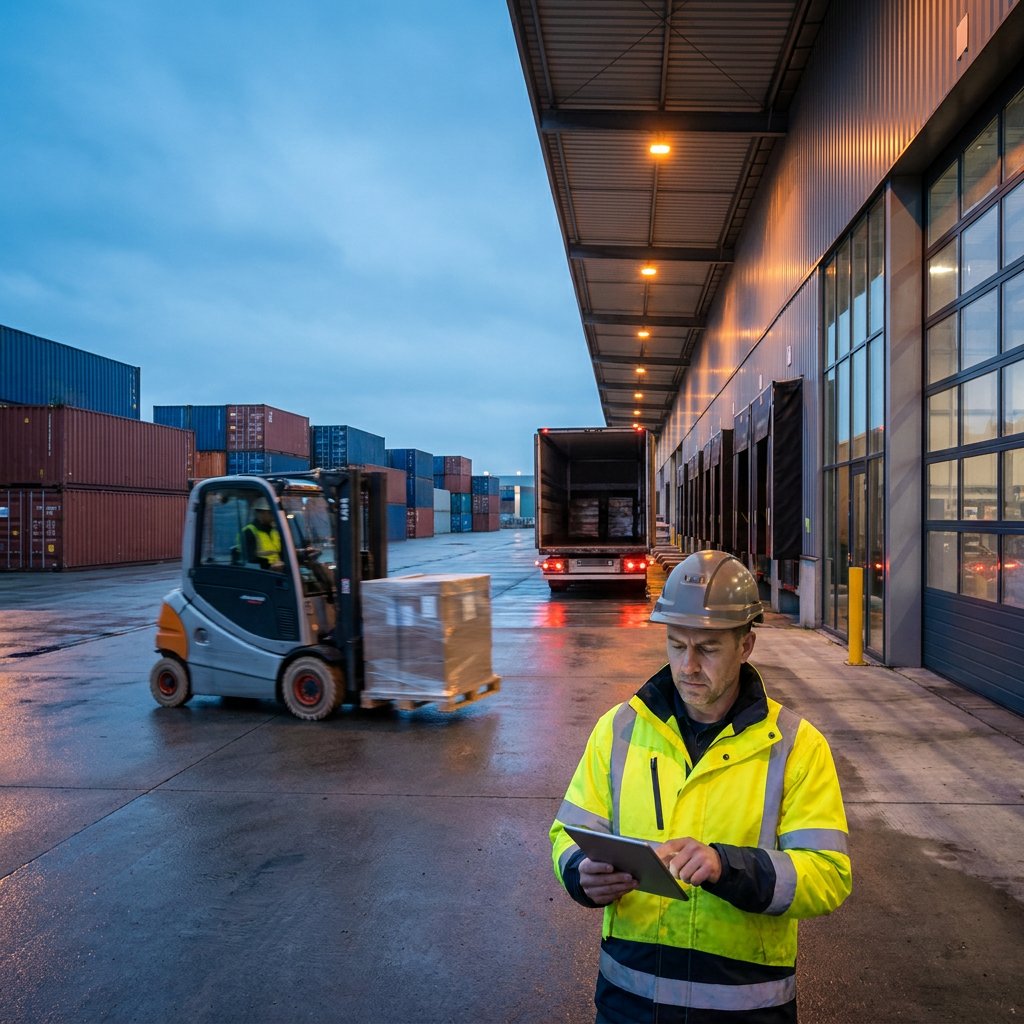
Looking for a smarter way to manage shipping, warehousing, customs and delivery without building everything in-house? With 3PL logistics, you outsource key supply chain activities to a specialist so you can improve speed, visibility and control while reducing operational strain. Ocean Quest Logistics supports businesses with practical third party logistics services that connect freight forwarding, warehousing solutions, customs brokerage, real-time tracking and last-mile delivery into one coordinated flow.
Whether you need a 3PL logistics company for international freight, a third party warehouse partner, or a flexible 3PL provider that helps you scale without chaos, you need more than transport alone. You need reliable execution, clear communication and a logistics team that keeps every movement on track.
What 3PL logistics means for your business
3PL stands for third-party logistics. In practice, it means you outsource part or all of your logistics operations to an external specialist. Depending on your needs, that can include freight management, warehousing, order handling, customs processes, shipment coordination, delivery planning and returns support.
For many businesses, 3PL is the most practical model between doing everything yourself and building a large internal logistics department. Instead of managing separate providers for storage, transportation and compliance, you work with one partner that helps coordinate the flow of goods from origin to destination.
This makes 3PL services especially useful when your shipments are growing, your routes are becoming more international, or your operations need better structure. A strong 3PL service provider helps you reduce friction across the supply chain, not just move cargo from one point to another.
Why companies use 3PL services
Companies usually turn to 3PL logistics when logistics starts taking too much time, causing too many errors, or limiting growth. If your team spends too much energy coordinating carriers, solving customs issues, arranging storage or chasing shipment updates, outsourcing can create immediate operational relief.
Businesses also use 3PL companies to gain access to infrastructure and expertise they do not want to build themselves. That can include warehouse capacity, international shipping knowledge, customs brokerage support, transportation planning and real-time visibility tools.
- Reduce internal workload tied to shipping and warehouse coordination
- Improve visibility across inbound, storage and outbound flows
- Scale logistics operations without major fixed overhead
- Access freight, warehousing and customs expertise faster
- Improve consistency in delivery performance and communication
For businesses with international cargo, 3PL logistics services also help lower the risk of delays caused by poor documentation, handoff gaps or weak shipment oversight.
What services are typically included in 3PL logistics
Not every 3PL company offers the same scope, but most third party logistics providers cover a mix of transportation, warehousing and operational support. Ocean Quest Logistics focuses on the logistics services businesses need to keep freight moving accurately and efficiently across borders and delivery stages.
Freight coordination and transportation
A core part of 3PL logistics is managing the physical movement of goods. This can include ocean freight shipping, air cargo logistics and ground transportation. The goal is not only to book transport, but to plan the right route, timing and handling requirements so your shipment reaches the destination with fewer disruptions.
For businesses comparing 3PL shipping companies, this is often where service quality becomes visible. Good execution means fewer communication gaps, tighter scheduling and better shipment control from pickup to final delivery.
Warehousing and storage
Many businesses need more than transport. A 3PL warehouse can provide short-term or ongoing storage as part of a wider logistics setup. This is useful when cargo needs to be staged, consolidated, held before onward distribution or managed between transport legs.
Third party warehousing can also help you avoid tying up capital in your own facility when shipment volumes fluctuate. If you are searching for 3PL warehouse services, the real value is not just space, but how well storage is connected to inbound coordination, inventory handling and outbound dispatch.
Customs brokerage and compliance support
For international supply chains, customs is often one of the biggest failure points. A 3PL logistics provider with customs brokerage support can help reduce delays caused by missing documents, incorrect declarations or poor coordination at clearance stages.
This is especially important if your business moves goods across multiple countries and needs a logistics partner that can help maintain momentum through regulated checkpoints.
Real-time tracking and shipment visibility
One of the most valuable parts of modern 3PL logistics is visibility. Real-time shipment tracking gives you a clearer view of where cargo is, what stage it is in and whether action is needed. This helps you make faster operational decisions and keeps your team from working reactively.
For many companies, visibility is the difference between controlled logistics and constant firefighting. When shipments are tracked closely, issues can often be identified before they become costly delays.
Last-mile delivery coordination
Even when long-haul freight runs smoothly, the final delivery stage still matters. A 3PL partner can support last-mile execution by coordinating handoff, timing and delivery confirmation. This helps create a more complete end-to-end logistics process instead of treating delivery as a disconnected final step.
How Ocean Quest Logistics supports 3PL operations
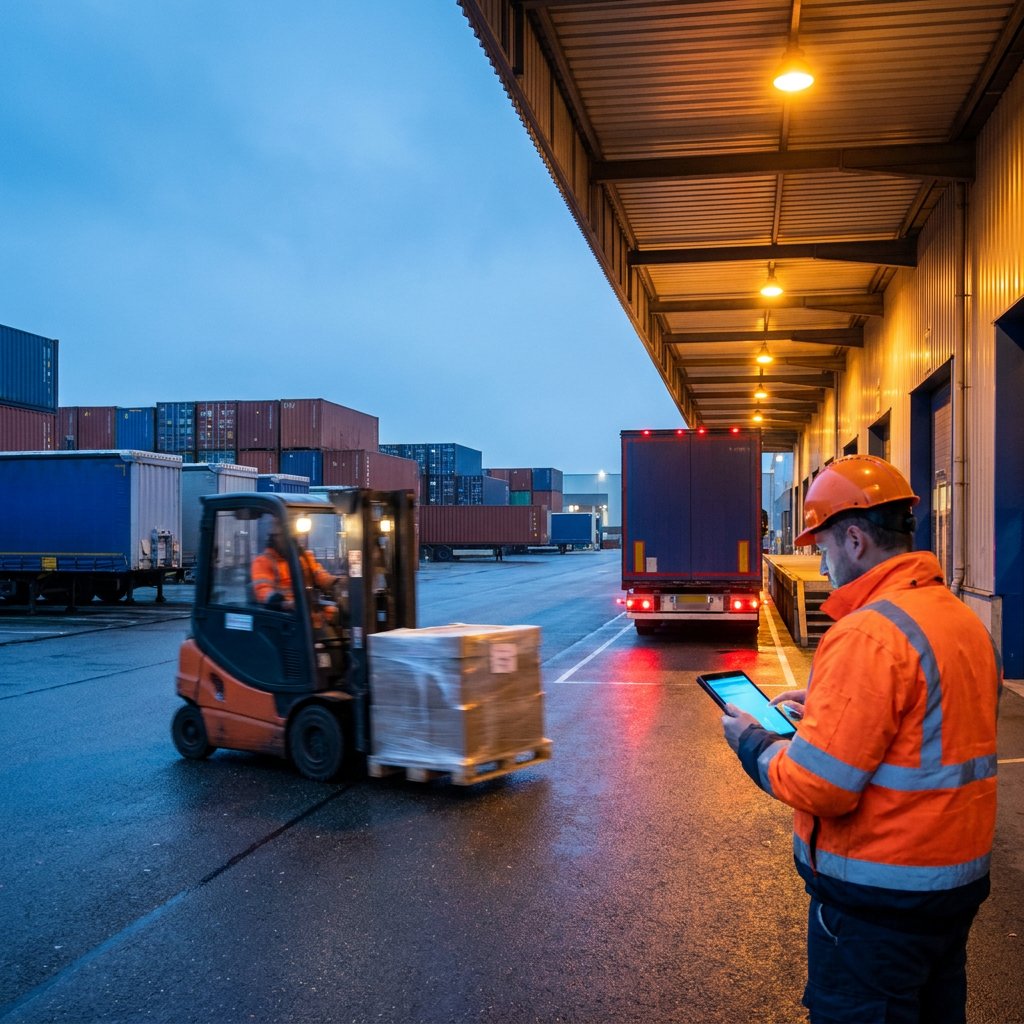
Ocean Quest Logistics brings together several services businesses often need from a third party logistics provider. Rather than positioning 3PL as a vague umbrella term, the focus is on practical execution across the shipment lifecycle.
- Air and ocean freight coordination
- Warehousing solutions
- Customs brokerage support
- Real-time shipment tracking
- Last-mile delivery coordination
- Direct support from a dedicated logistics expert
The process is built around clear operational stages, from quote request and planning to pickup, packaging, transportation, tracking and delivery confirmation. For your business, that means fewer disconnected touchpoints and stronger oversight across the full movement of goods.
If you are evaluating 3PL providers, this kind of integrated coordination matters because logistics issues rarely happen in isolation. Delays often begin upstream, then affect warehouse timing, clearance, customer expectations and delivery performance downstream.
Benefits of outsourcing to a 3PL logistics company
The strongest reason to outsource logistics is not simply convenience. It is performance. A well-run 3PL model can help your business operate faster, cleaner and with more confidence.
More focus on your core business
When your team no longer has to manage every shipment detail internally, you can focus more time on sales, operations, procurement and growth. This is one reason 3PL for small business has become so relevant. Smaller teams often need outside logistics support to stay agile without overhiring.
Better scalability
As volumes rise, routes expand or shipping patterns change, a 3PL partner can help you scale operations with less disruption. You do not need to build every warehouse process, carrier relationship or customs workflow from scratch. This is useful for both fast-growing businesses and companies with seasonal shipment patterns.
Operational expertise
Third party logistics companies bring daily experience in transportation, warehousing and international coordination. That experience can help reduce costly mistakes in routing, documentation, handoffs and scheduling.
Improved visibility and accountability
One of the biggest frustrations in logistics is uncertainty. A strong 3PL service combines tracking, communication and oversight so you know what is happening with your cargo. That gives your business better control, even when logistics is outsourced.
Reduced risk of avoidable delays
Many delays are not caused by distance alone. They come from missed checks, poor coordination, incomplete paperwork or weak follow-up. A disciplined 3PL logistics company helps reduce those avoidable failures through tighter process control.
3PL vs 4PL logistics
Many businesses researching 3PL logistics also come across 3PL vs. 4PL. The difference matters because the two models solve different operational needs.
A 3PL provider typically executes logistics functions directly. That may include shipping, warehousing, customs coordination and delivery support. A 4PL provider usually takes a broader orchestration role, overseeing multiple logistics partners and managing the supply chain at a higher strategic level.
Model | Main role | Best fit
|
|---|---|---|
3PL | Executes transportation, warehousing and related logistics services | Businesses that need hands-on operational support |
4PL | Oversees and manages multiple logistics providers and strategy | Businesses with more complex, multi-provider supply chains |
If your business needs direct shipping, warehousing and customs support, a 3PL logistics provider is usually the more practical choice. If you need a top-level logistics architect to coordinate several vendors across a highly complex network, 4PL may be more relevant.
3PL vs freight forwarding
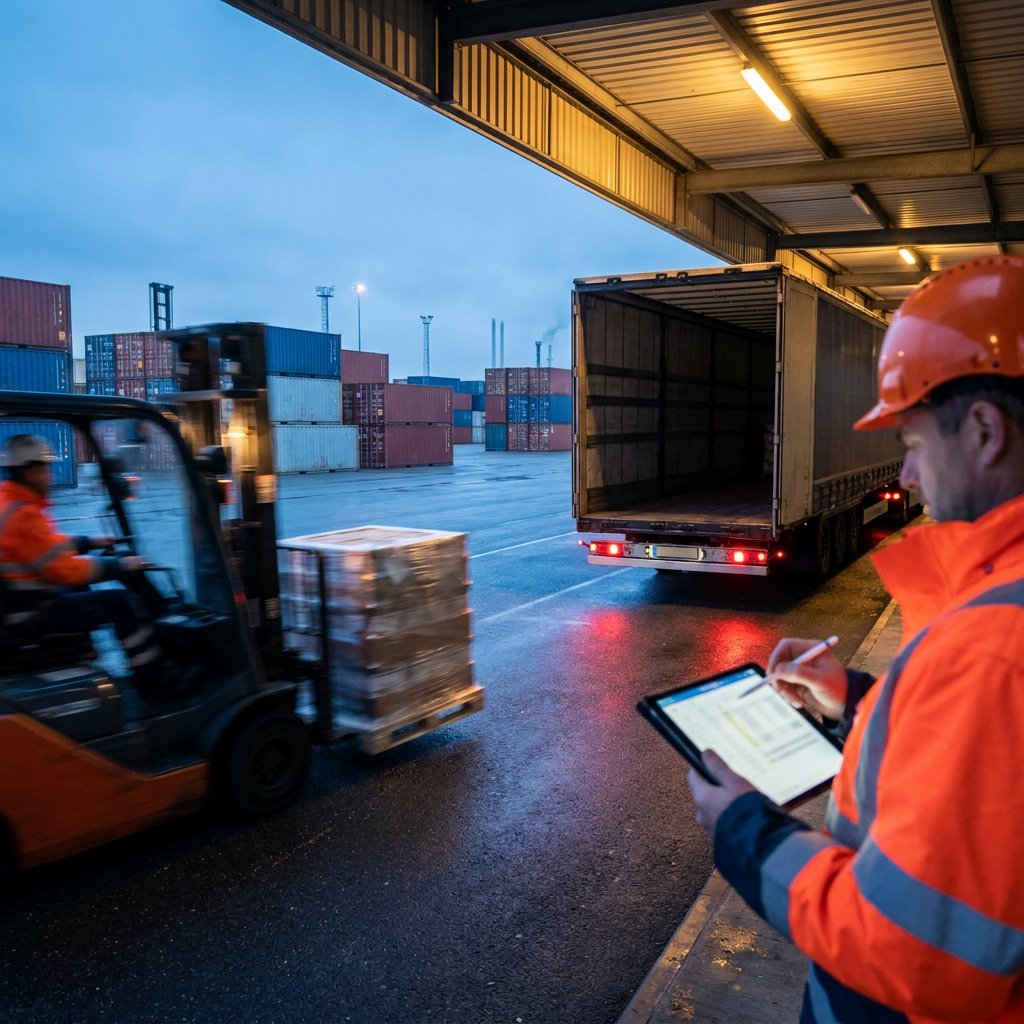
Freight forwarding and 3PL are related, but they are not identical. A freight forwarder focuses primarily on arranging the movement of goods. A 3PL company often covers a broader service range that can include warehousing, fulfillment support, customs coordination, delivery planning and operational visibility.
Ocean Quest Logistics is positioned as a modern freight forwarder with additional warehousing, customs and delivery capabilities, which makes it highly relevant for businesses searching for third party logistics support without needing a purely warehouse-driven fulfillment provider.
Service model | Primary focus | Typical scope
|
|---|---|---|
Freight forwarding | Transport arrangement and shipment movement | Routing, booking, documents and international transport coordination |
3PL logistics | Broader logistics outsourcing | Transport, warehousing, customs, tracking, delivery and operational support |
If your need is mainly moving cargo from one location to another, freight forwarding may be enough. If you need a broader logistics partner with visibility, storage and coordinated execution around the shipment, 3PL services are often the better fit.
Is 3PL right for small businesses and growing companies?
Yes, especially when internal resources are limited. Many businesses assume 3PL is only for large enterprises, but 3PL for small business can be a highly practical solution. It helps smaller teams avoid operational overload while still gaining access to warehousing, transport coordination and logistics expertise.
If you are looking for the best 3PL for small business, the right partner is not necessarily the biggest 3PL company. It is the one that matches your shipping profile, communicates clearly and can support your growth without adding unnecessary complexity.
This is also why businesses searching for ecommerce 3PL, 3PL fulfillment companies or third party fulfillment often need to clarify their actual requirement. Some need pick and pack and high-volume parcel fulfillment. Others need freight coordination, warehousing solutions, customs support and final delivery management. Those are related needs, but not the same service model.
What to look for in a 3PL provider
If you are comparing 3PL companies, focus on operational fit rather than generic claims. The best 3PL provider for your business is the one that can support your shipment types, service expectations and required level of oversight.
- Service scope: Can the provider support freight, storage, customs and delivery in one flow?
- Visibility: Do you get real-time tracking and proactive updates?
- Communication: Will you have direct access to logistics experts when issues arise?
- International capability: Can the provider manage cross-border shipping effectively?
- Operational discipline: Are planning, checks and follow-up handled consistently?
For businesses comparing 3PL logistics providers near ports and trade hubs, it also helps to consider network reach, customs handling capability and the quality of shipment oversight, not only warehouse location.
Why businesses choose Ocean Quest Logistics
Ocean Quest Logistics is built for businesses that want fewer delays, fewer document issues and stronger shipment control. The value is in precise coordination and direct accountability across the logistics process.
- End-to-end support from planning to delivery confirmation
- Air freight, ocean freight, warehousing and customs support in one service flow
- Real-time shipment tracking for better visibility
- Dedicated expert support instead of fragmented communication
- Global shipment coordination backed by operational experience
For your business, that means working with a logistics partner that helps remove common causes of shipping friction while keeping cargo movement clear and controlled.
Frequently asked questions
What is an example of a 3PL?
A 3PL example is a logistics partner that manages freight transportation, warehousing, customs coordination and delivery support on behalf of your business. Instead of handling these functions internally, you outsource them to one external provider.
What is the difference between 2PL, 3PL, 4PL and 5PL?
2PL usually refers to a transport provider that moves goods from one point to another. 3PL adds broader outsourced logistics services like warehousing, customs and operational coordination. 4PL focuses on managing multiple logistics providers at a higher strategic level. 5PL generally refers to advanced network orchestration across larger, often technology-driven supply chain ecosystems.
What is the difference between 3PL and fulfillment?
Fulfillment is often one part of 3PL, usually focused on storing, picking, packing and shipping orders. 3PL is broader and can also include freight management, customs brokerage, warehousing, tracking and delivery coordination. Not every 3PL is a fulfillment-first provider, and not every fulfillment provider offers full 3PL logistics support.
How much do 3PL services cost?
3PL pricing depends on the scope of services, shipment volume, transport mode, storage needs, customs complexity and delivery requirements. There is no single flat rate because 3PL costs vary by operational model. The best way to assess cost is to request a logistics plan based on your actual freight and service needs.
Do I need a 3PL warehouse if I already have transport arranged?
Not always. If your business only needs cargo moved from origin to destination, warehousing may not be necessary. But if your goods require staging, temporary storage, consolidation or onward distribution, a 3PL warehouse can add real operational value.
Is 3PL only for ecommerce businesses?
No. Ecommerce 3PL is a major category, but third party logistics is also widely used by importers, exporters, distributors and businesses with recurring domestic or international shipping needs. Any company that wants to outsource logistics operations can benefit from the right 3PL setup. If you need a more reliable way to manage freight, warehousing, customs and delivery, Ocean Quest Logistics can help you build a practical 3PL solution around your operation. Whether you are moving international cargo, need warehousing support, or want a third party logistics provider that gives you better visibility and direct expert guidance, the next step is to contact us for a tailored logistics plan based on your actual shipping requirements.
Related articles
All articles
Tell us what needs moving.
Tell us what you're shipping, where it moves, how often, and what matters to you. We'll work out the right setup from there.