

Reefer shipping
Reefer shipping uses refrigerated containers to move temperature-sensitive cargo by sea while maintaining specified transport conditions. It is used for goods that must remain chilled, frozen or protected from unsuitable temperatures during transit.
Clear pricing
You know what you're paying before you commit.
You can see everything
Your shipment, documents and key updates stay visible in one place.
Someone who knows your business
You always know who to call.
In detail
Reefer shipping
Temperature-controlled containers for sensitive cargo.

Reefer shipping uses refrigerated containers to move temperature-sensitive cargo by sea while maintaining specified transport conditions. It is used for goods that must remain chilled, frozen or protected from unsuitable temperatures during transit. Ocean Quest Logistics coordinates international ocean freight and can help you assess the routing, documentation and transport requirements for your shipment.
What is reefer shipping?
A reefer shipment is cargo transported in a refrigerated shipping container, commonly called a reefer container. Unlike a standard dry container, a reefer has an integrated cooling unit and requires a continuous power supply at terminals and during ocean transport.
Reefers are designed to maintain a chosen set point rather than rapidly cool goods that are loaded too warm. For that reason, cargo condition, pre-cooling, packaging and loading method all matter before the container is sealed.
Key requirements for refrigerated sea freight
Temperature-controlled cargo requires careful planning before a booking is made. The correct requirements and ocean freight charges depend on the product, route, transit time and handling points between origin and destination.
Requirement | Why it matters |
|---|---|
Temperature set point | Defines the condition the reefer container must maintain throughout transport. |
Pre-cooled cargo | Helps ensure goods are loaded at the required temperature, as a reefer is intended to maintain rather than pull down cargo temperature quickly. |
Suitable packaging and stowage | Allows air to circulate around the cargo and reduces the risk of uneven temperatures. |
Accurate shipping documentation | Supports correct booking, customs processing and coordination across the shipment. |
Terminal and destination arrangements | Helps avoid avoidable delays when power connection, collection or onward delivery must be coordinated. |
Planning a reefer shipment with fewer avoidable issues
Before shipping, confirm the cargo specifications with the relevant carrier or temperature-controlled transport provider. Reefer cargo is commonly transported as a full-container load, so understanding FCL vs. LCL shipping can help when assessing container requirements. This should include the required set point, ventilation or atmosphere requirements where applicable, cargo preparation instructions and any product-specific certificates or permits.
Documentation also needs to be complete and consistent. Commercial invoices, packing lists, customs declarations and product documentation should accurately reflect the shipment and be available to freight forwarders, carriers, and customs brokers involved in the shipment. Errors or missing information can disrupt a shipment at the same time-sensitive moment that the cargo needs to keep moving.
For international ocean freight, Ocean Quest Logistics coordinates carrier space and transportation, while supporting clear communication and shipment visibility. If your cargo has refrigerated transport requirements, raise them at the quotation stage so reefer suitability can be confirmed before booking.
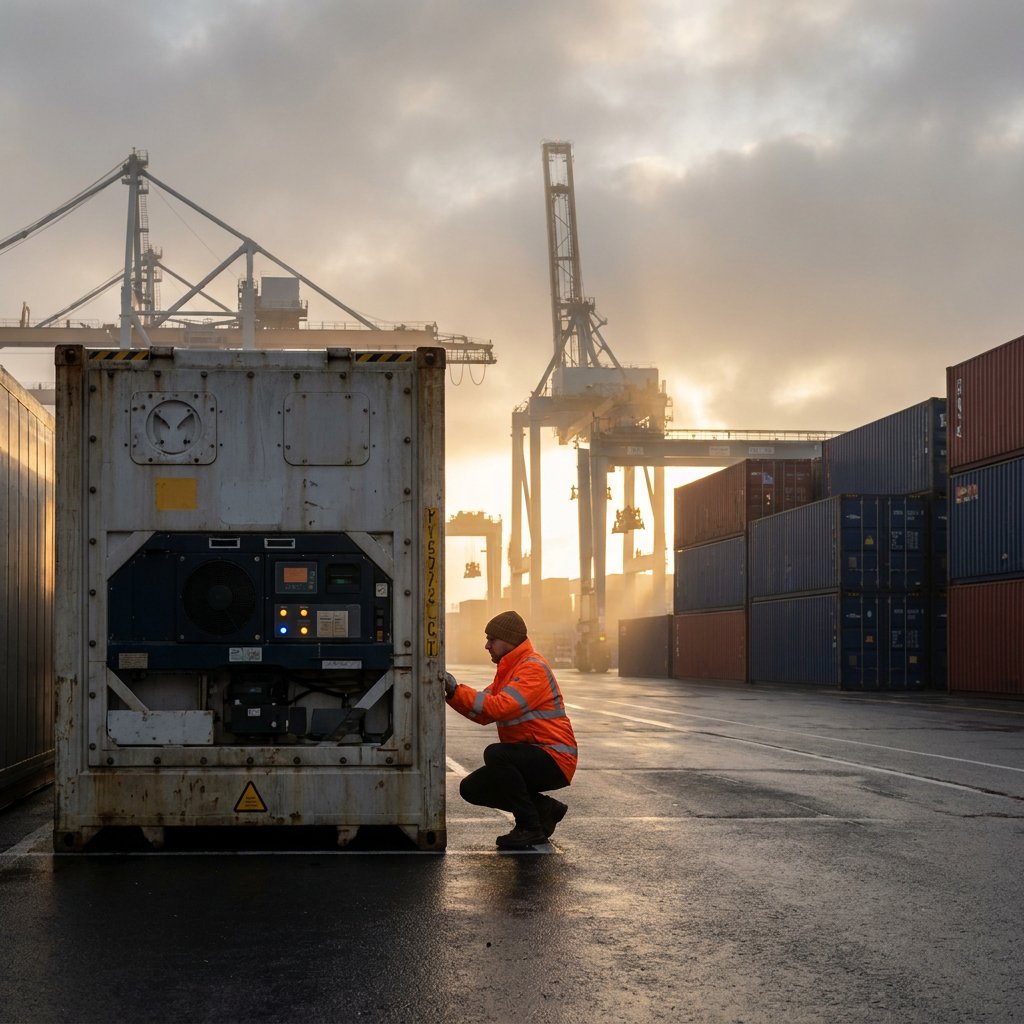
Reefer container vs dry container
A dry container is used for general cargo that does not require active temperature control. A reefer container is insulated and equipped with refrigeration technology to maintain the specified internal conditions while connected to power.
The appropriate container is determined by the cargo's transport requirements, not simply whether the goods are food products. Always confirm the required handling conditions with the product owner, supplier or qualified temperature-control provider before shipment.
Discuss your ocean freight requirements
Moving international freight involves more than securing a container. Ocean Quest Logistics helps businesses coordinate ocean freight, customs brokerage services, warehousing and final delivery with clearer ownership across the process. Request a quote or speak with our team about your route, cargo details and required shipping documentation.
Frequently asked questions
What does reefer mean in shipping?
Reefer is short for refrigerated. In shipping, it usually refers to a refrigerated container used to maintain selected transport conditions for temperature-sensitive cargo.
Can a reefer container cool warm cargo after loading?
A reefer container is generally intended to maintain the temperature of properly prepared cargo. Goods should normally be pre-cooled to the required condition before loading, following the applicable product and carrier instructions.
What information is needed to request a reefer freight quote?
Provide the origin and destination, cargo description, volume or container requirement, target shipping date, required temperature conditions and any relevant customs or product documentation. Reefer equipment and handling requirements should be identified before booking.
Does every port support reefer containers?
Reefer shipments depend on appropriate terminal facilities, power connections and handling arrangements. Confirm port and route suitability with the carrier or service provider when planning the shipment.
Related articles
All articles



Tell us what needs moving.
Tell us what you're shipping, where it moves, how often, and what matters to you. We'll work out the right setup from there.