

LCL Shipping
Part-load sea freight from booking to delivery: space on the sailing, consolidation and deconsolidation, trucking, customs clearance and delivery. You pay for the space you use, not the whole container.
Clear pricing
You know what you're paying before you commit.
You can see everything
Your shipment, documents and key updates stay visible in one place.
Someone who knows your business
You always know who to call.
In detail
LCL Shipping
Pay for the space you use, not the container.
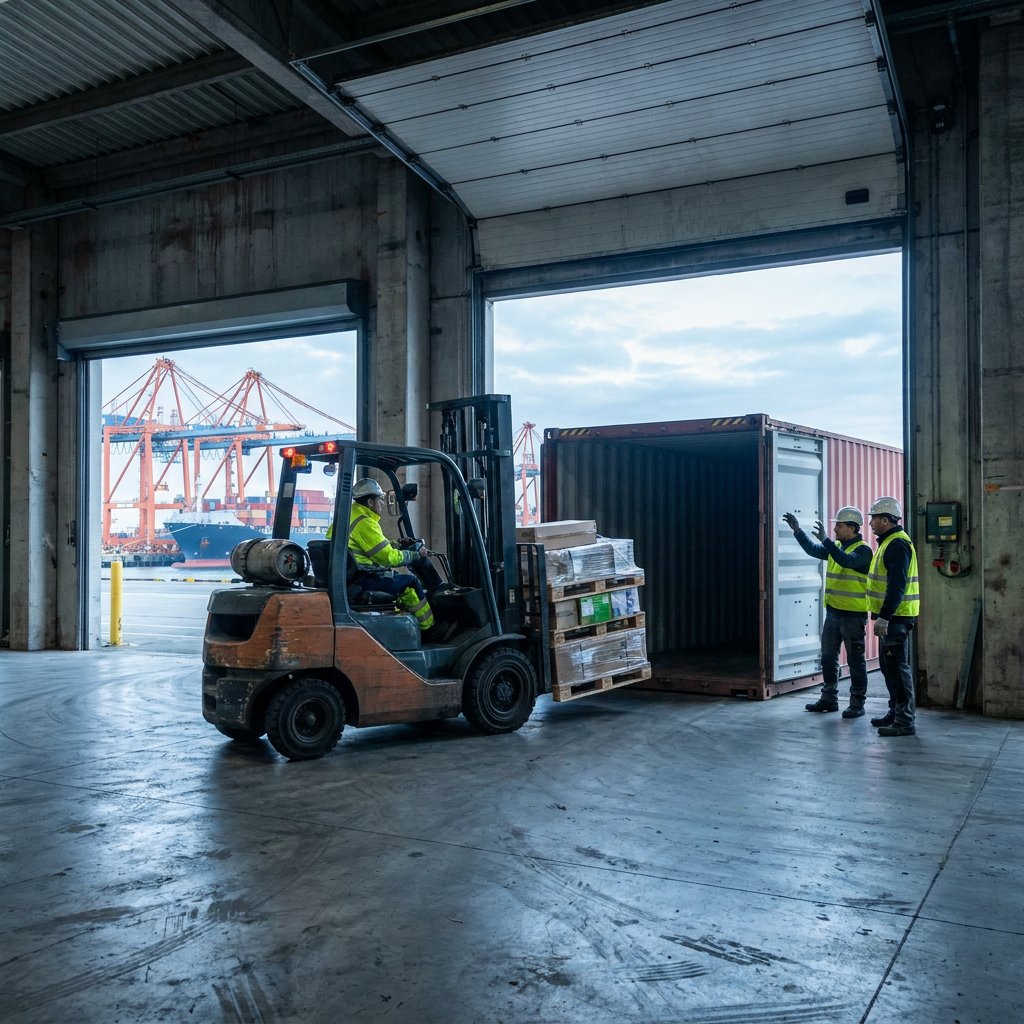
Need to move cargo without booking a full container? LCL shipping is a practical way to ship smaller ocean freight volumes while keeping costs aligned with the space you actually use. If your business ships too much for parcel services but not enough for full container load ocean freight, less than container load shipping gives you a flexible middle ground. Ocean Quest Logistics supports businesses with ocean freight coordination from booking to final delivery, including planning, customs brokerage, tracking, warehousing support, and last-mile logistics.
What is LCL shipping?
LCL shipping stands for less than container load shipping. It means your cargo shares container space with shipments from other businesses instead of using one full container exclusively. In practice, an LCL container is consolidated at origin, loaded with multiple consignments, moved by sea, and then deconsolidated at destination before final delivery.
This model is commonly used for smaller or more frequent shipments that do not justify a full container. Instead of paying a flat rate for an entire box, you usually pay based on the volume your cargo occupies, often measured in CBM. That makes LCL freight a common choice for companies looking for a cost-conscious way to handle international ocean freight without waiting until they have enough goods for FCL.
When LCL shipping makes sense for your business
LCL shipping is often the right option when speed, flexibility, and inventory flow matter more than filling an entire container. If you wait too long to build a full load, stock can run low, purchase cycles can slow down, and lead times can become harder to manage.
- Small to medium shipment volumes that do not fill a container
- Regular replenishment orders instead of large one-time moves
- International shipments where air freight is too expensive
- Businesses that want to reduce warehousing and inventory pressure
- Shipments that need ocean transport with door to door coordination
For many importers and exporters, ocean LCL shipping helps balance transport cost with operational flexibility. It is especially useful when you need cargo moving consistently, not only when a container is full.
LCL vs FCL shipping
The main difference between LCL and FCL is simple. With LCL, you share container space. With FCL, one shipper books the entire container. That difference affects pricing, transit flow, handling, and suitability for different cargo types.
Key differences between FCL and LCL
- Container use: LCL uses shared space, FCL uses the full container
- Pricing model: LCL shipping cost is usually based on CBM, while FCL is typically a flat container rate
- Handling: LCL cargo usually involves consolidation and deconsolidation, creating more handling points
- Transit flow: FCL can be more direct, while LCL may depend on consolidation schedules
- Best fit: LCL suits smaller volumes, while FCL is often better for larger shipments
When to choose LCL over FCL
Choose LCL when your shipment volume is too low for a full container, when you want to avoid paying for unused space, or when you need a more flexible shipping rhythm. Choose FCL when volume is high enough to justify a full container, or when cargo needs minimal handling and more direct container control.
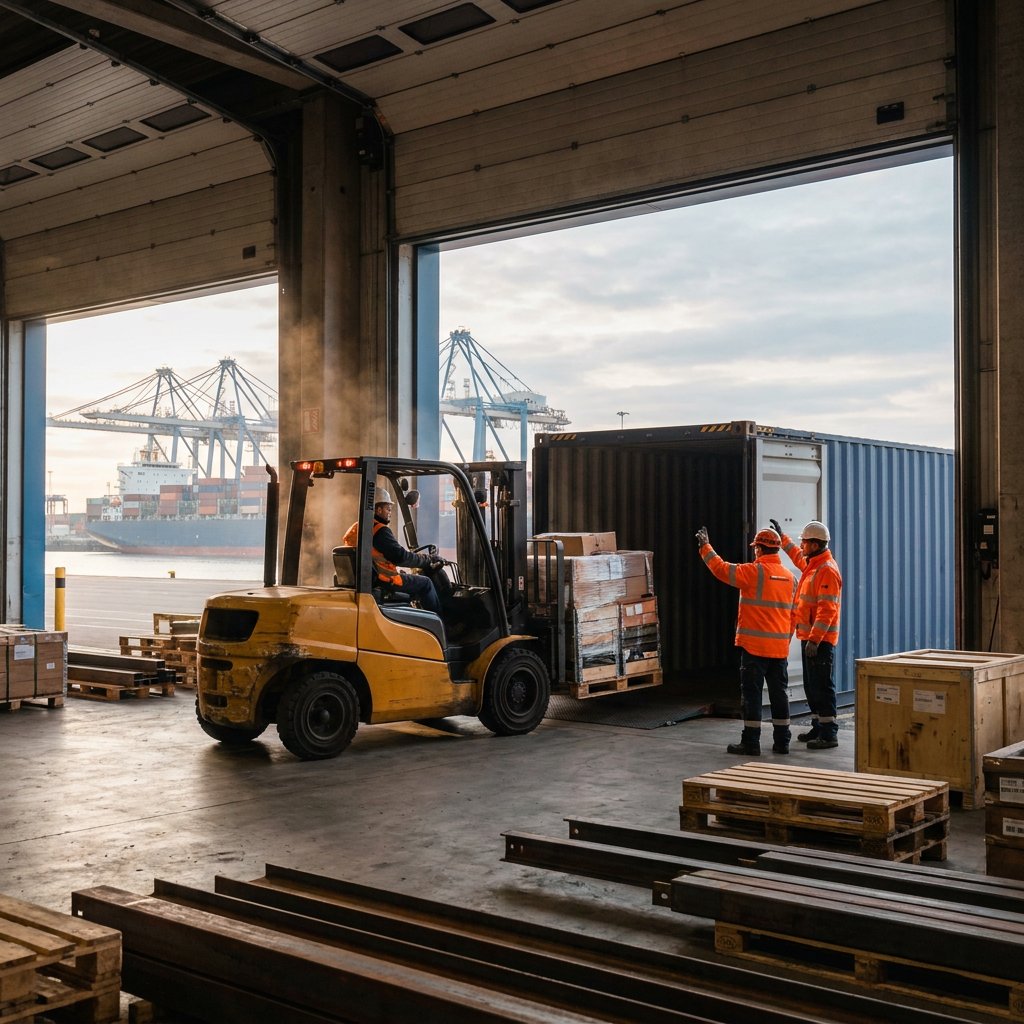
LCL shipping rates and charges
One of the most common questions around less than container load shipping rates is how pricing is calculated. LCL shipping rates are not based on one single line item. They usually combine the main sea freight cost with several operational charges before and after the ocean leg.
In most cases, LCL freight rates are driven by shipment volume in cubic meters, with weight also considered where relevant. A freight forwarder reviews the shipment details, routing, cargo type, origin and destination requirements, and any additional service needs before issuing an LCL quote.
Typical cost components in an LCL quote
- Origin charges: pickup, cargo receiving, export handling, documentation
- Ocean freight LCL charges: base sea freight for the booked volume
- Destination charges: deconsolidation, handling, release fees, local processing
- Customs-related costs: customs brokerage, inspections, duties and taxes where applicable
- On-carriage: final delivery or last-mile transport after arrival
If you are comparing international LCL shipping rates, make sure you look beyond the base freight line. A lower headline rate may not include destination handling, documentation, or delivery, which can materially change the total landed logistics cost.
What affects LCL shipping cost?
- CBM volume and shipment dimensions
- Gross weight and chargeable weight logic
- Origin and destination port combination
- Cargo type and any special handling requirements
- Transit schedule, seasonal pressure, and market capacity
- Need for customs brokerage, warehousing, or door to door service
How LCL shipment calculation works
LCL shipment calculation starts with accurate cargo data. That includes dimensions, number of packages, gross weight, commodity details, pickup location, port of loading, and final destination. Because LCL pricing is closely linked to volume efficiency, small measurement errors can affect your rate and planning.
If your cargo takes up more room than expected, the final charges may differ from the initial estimate. That is why precise shipment data matters when requesting an LCL freight quote or LCL shipping quote. Clear information also helps avoid delays during booking, consolidation, and customs processing.
Information commonly needed for an LCL quote
- Pickup address and destination address
- Port of loading and port of discharge, if known
- Number of cartons, pallets, crates, or packages
- Dimensions and total gross weight
- Commodity description and packaging type
- Preferred shipping window
- Need for customs, storage, or final delivery support
How the LCL shipping process works
Although every shipment differs, the basic LCL shipping process follows a clear logistics sequence. Understanding the flow helps you plan timelines and know where coordination matters most.
1. Booking and shipment planning
The process starts with shipment details and route planning. Based on your cargo and timeline, the forwarding team identifies the best ocean freight option and prepares the booking.
2. Pickup and cargo receiving
Your goods are collected or delivered to the origin receiving point. Packaging quality, labels, dimensions, and documentation should be checked before the cargo enters the consolidation flow.
3. Consolidation into an LCL container
Multiple shipments are grouped into one container. This is the defining step in LCL container shipping and the reason why planning accuracy is important.
4. Ocean transport and tracking
Once loaded, the cargo moves via sea freight to the destination port. During this stage, visibility and communication are essential, especially when your business depends on replenishment timing.
5. Deconsolidation, customs, and delivery
After arrival, the container is unpacked, cargo is separated, and local handling takes place. Customs clearance and final delivery can then be arranged based on the agreed service scope.
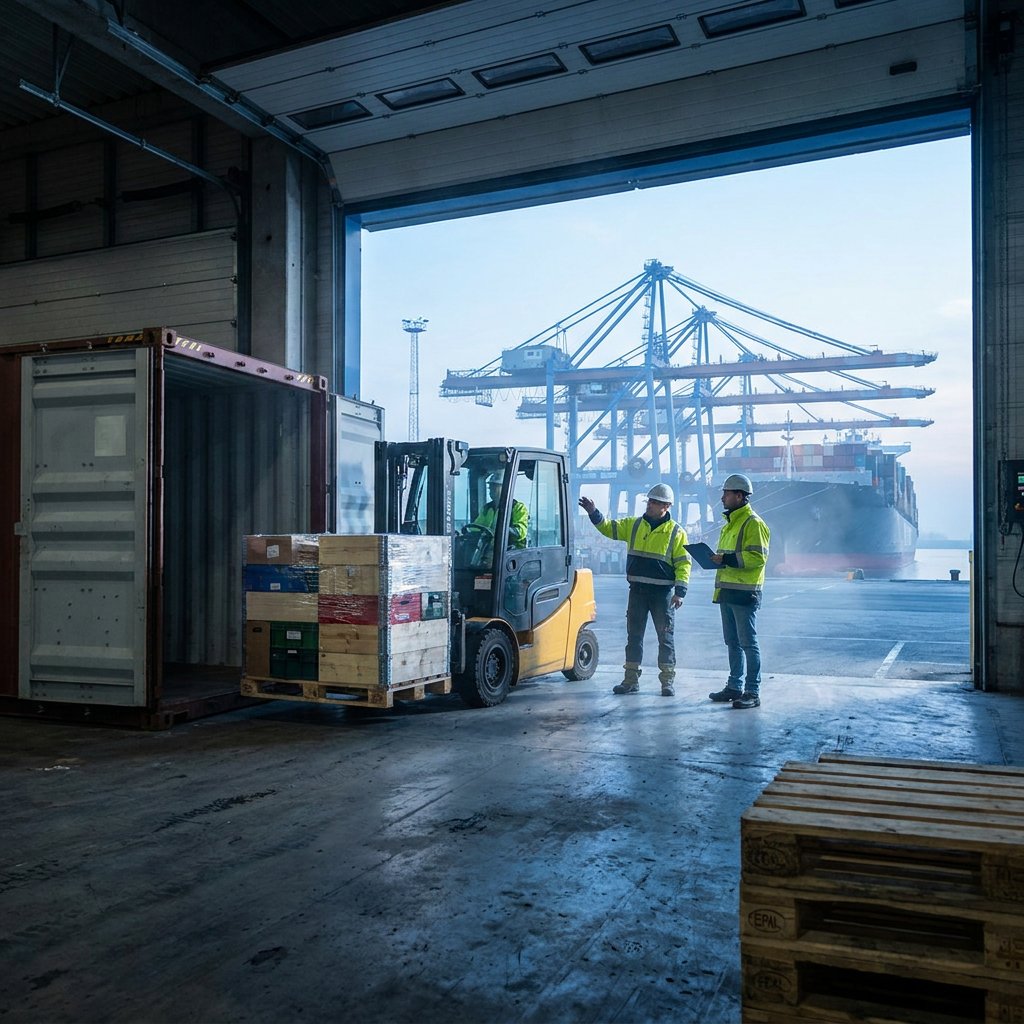
Documents used in LCL freight
Documentation is a core part of LCL freight because one container can contain multiple shipments from different parties. Clean paperwork supports smooth handling, customs processing, and cargo release.
Common shipping documents
- Commercial invoice
- Packing list
- Bill of lading
- Customs documents
- Commodity-specific certificates where required
House Bill of Lading and Master Bill of Lading
In LCL ocean freight, you may come across both a House Bill of Lading and a Master Bill of Lading. The HBL is typically issued in relation to the individual shipper’s cargo, while the MBL is linked to the overall transport booking with the ocean carrier. Because LCL involves consolidation, these documents are especially relevant in shared-container movements.
Door to door LCL shipping support
Many businesses do not just need port to port transport. They need a coordinated shipment from supplier or warehouse all the way to the final destination. LCL door to door service can include pickup, ocean freight, customs brokerage, warehousing coordination, and last-mile delivery.
For companies that want fewer handover points and clearer communication, working with one freight forwarder across the full process can simplify execution. Ocean Quest Logistics supports businesses with shipment planning, transportation and tracking, customs coordination, and final delivery management as part of broader our shipping services support.
Why work with a freight forwarder for LCL shipping?
LCL shipping has more touchpoints than a simple full container move. You are dealing with shared space, consolidation timing, local handling, documentation, and destination coordination. That is why many businesses choose an LCL freight forwarder rather than trying to manage every handoff independently.
A capable forwarding partner helps reduce friction across booking, paperwork, visibility, and delivery. Ocean Quest Logistics supports ocean freight shipments with planning and scheduling, pick-up coordination, transportation tracking, customs brokerage, warehousing support, and last-mile logistics. For businesses that want reliable communication and operational oversight, that coordination can make a real difference throughout the shipment journey.
Request an LCL shipping quote
If you are comparing LCL shipping companies or looking for a practical LCL freight quote, the fastest path is to share accurate shipment details upfront. That allows the routing, volume, handling requirements, and delivery scope to be reviewed properly.
Whether you need an LCL quote for recurring shipments or a one-off international movement, Ocean Quest Logistics can support your ocean freight planning from booking to final delivery. If your cargo does not require a full container, LCL shipping may be the most efficient option for cost, flexibility, and supply flow. To discuss your shipment requirements, contact our team.
Frequently asked questions
What is LCL shipping?
LCL shipping means less than container load shipping. Your cargo shares container space with freight from other shippers, and you pay for the space your goods use rather than for an entire container.
What is FCL and LCL?
FCL means full container load, where one shipper books the full container. LCL means less than container load, where several shipments share one container. The right choice depends mainly on volume, handling needs, and cost structure.
What is an LCL delivery?
An LCL delivery is the final handoff of cargo after the shipment has arrived, been deconsolidated, and cleared through the relevant local processes. Depending on the service scope, delivery may be arranged to a warehouse, business address, or other final destination.
How are LCL shipping rates calculated?
LCL shipping rates are commonly based on volume in CBM, with weight and cargo characteristics also considered. Total charges may include origin handling, ocean freight, destination handling, customs-related services, and final delivery.
Is LCL cheaper than FCL?
For smaller shipments, LCL is often more cost-effective because you do not pay for unused container space. For larger volumes, FCL may become more economical on a per-unit basis.
Can I use LCL for international shipping?
Yes. LCL international shipping is widely used for cross-border ocean freight when shipment volume is not large enough for a full container.
What information do I need for an LCL freight quote?
You usually need package count, dimensions, gross weight, cargo description, origin, destination, and any service needs such as customs support or final delivery. If you are also evaluating logistics support models, the guide on 3PL vs 4PL may be useful.
Related articles
All articles


Tell us what needs moving.
Tell us what you're shipping, where it moves, how often, and what matters to you. We'll work out the right setup from there.