

Bonded Warehouse Services
Storage under customs control, arranged for you at a bonded warehouse. Duties and VAT are paid only when goods leave, in the quantities you release, with the customs paperwork and the onward trucking handled in the same booking.
Clear pricing
You know what you're paying before you commit.
You can see everything
Your shipment, documents and key updates stay visible in one place.
Someone who knows your business
You always know who to call.
In detail
Bonded Warehouse Services
Hold goods under customs control. Defer duties until they're released.
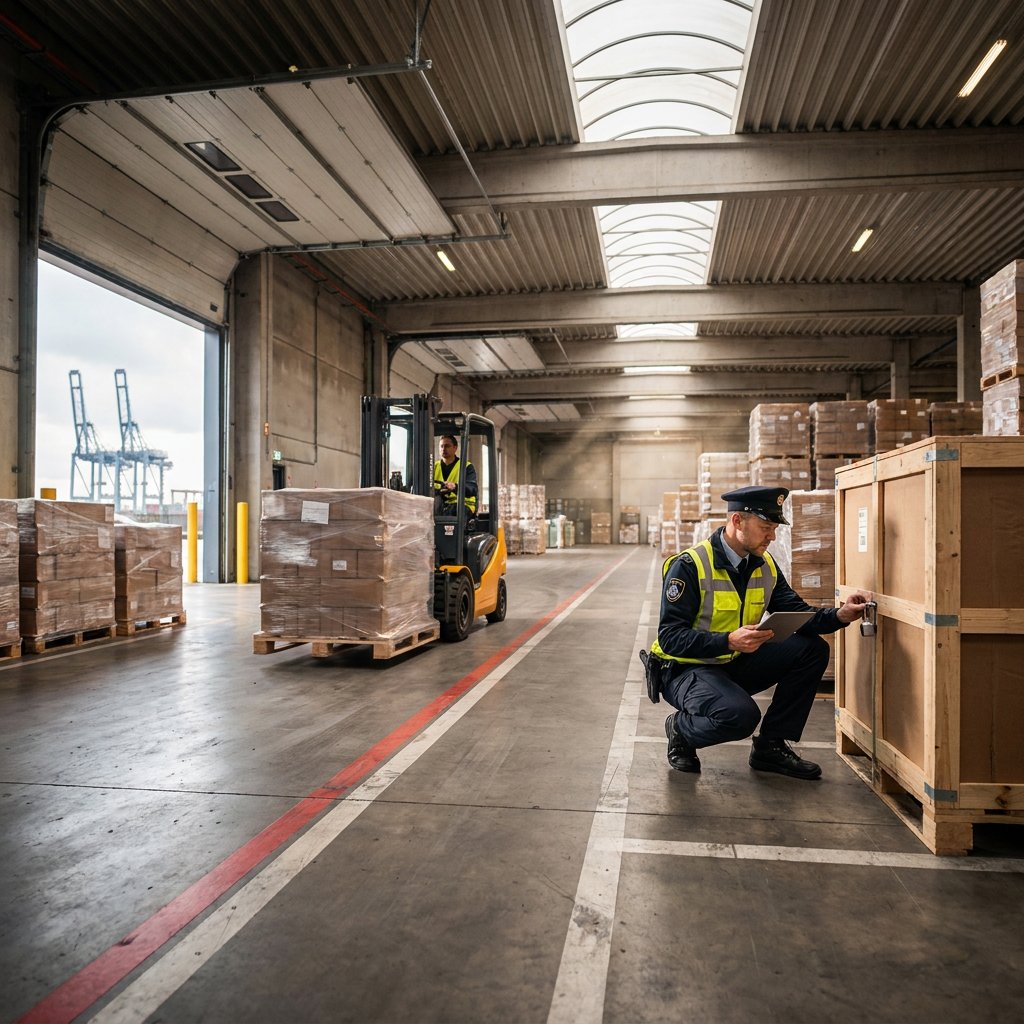
Looking for a smarter way to store imported goods before they enter free circulation? Bonded warehouse services help you delay import duties and taxes, keep inventory under customs control, and move goods more strategically through your supply chain. If you import, re-export, consolidate, or distribute internationally, bonded storage can improve cash flow, reduce unnecessary tax exposure, and give you more operational flexibility.
Ocean Quest Logistics supports businesses with broader logistics coordination, warehousing solutions, customs brokerage, and shipment visibility from Antwerp. On this page, you can learn how customs warehousing works, when bonded warehouse storage makes sense, and what to consider if you need a secure, compliant setup for international cargo flows.
What bonded warehouse services mean for your supply chain
A bonded warehouse, also called a customs bonded warehouse or customs warehouse, is a secured storage facility where imported goods can be held under customs supervision before import duties, VAT, or other charges are paid. In simple terms, your goods can stay in bonded storage until they are released for local import, re-exported, or placed under another customs procedure.
For many importers, this is not just a storage option. It is a cash flow and control tool. Instead of paying duties the moment cargo arrives, you pay when goods are actually cleared into the destination market. That matters when you manage seasonal inventory, expensive products, slower-moving stock, or multi-country distribution.
Bonded warehouse services often sit at the intersection of storage, customs planning, and transport coordination. Depending on the setup and the applicable customs rules, services may also include controlled inventory handling, documentation support, customs clearance coordination, and preparation for onward distribution.
What is a bonded warehouse?
A bonded warehouse is a licensed facility where non-domestic goods are stored under customs control. The key feature is that duties and taxes are suspended while the goods remain in bond. This differs from a standard warehouse, where imported goods are usually already customs cleared for domestic circulation.
In practice, goods stored in bonded warehouse facilities can remain in a controlled customs status until one of several next steps happens:
- Release into the local market after payment of duties and taxes
- Re-export to another country
- Transfer to another customs procedure, subject to local regulations
- Customs bonded warehouse customs clearance for partial shipments
If you have ever asked, "What is the difference between a warehouse and a bonded warehouse?" the answer is mostly about customs status. A regular warehouse stores goods that are already in free circulation. A bonded storage warehouse holds goods before final customs settlement.
Key benefits of bonded warehouse storage
The strongest pages in search results all emphasize benefits, and for good reason. For most businesses, the value of bonded warehouse services is practical and financial.
- Deferred duty and tax payments - You do not pay import duties and VAT until goods are released from bond for local entry.
- Better cash flow - Capital is not tied up in charges for stock that has not yet been sold or distributed.
- Flexible inventory release - You can clear goods in smaller quantities rather than paying duties on the full shipment at once.
- Support for re-export operations - If goods are re-exported from bond, duty treatment may be more efficient than importing first and exporting later.
- Improved stock positioning - You can store goods closer to customer markets without triggering immediate full customs payment.
- Stronger supply chain control - Bonded storage supports phased distribution, consolidation, and more responsive order planning.
This is especially useful when you handle high-value cargo, uncertain demand, complex landed-cost planning, or cross-border fulfillment. Businesses looking for secure bonded warehouse, private bonded warehouse, or public bonded warehouse options usually do so because customs timing affects margins just as much as transport timing.
When bonded storage makes sense
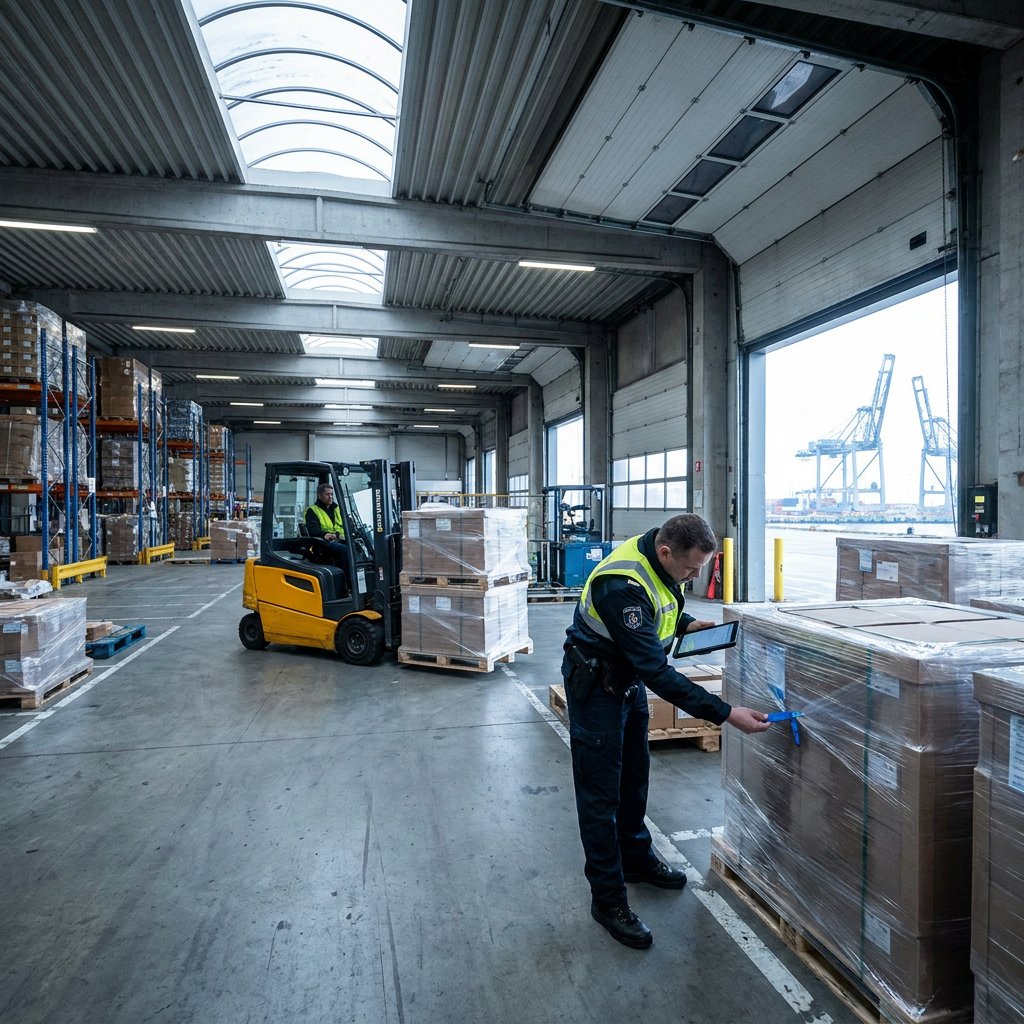
Bonded storage is not necessary for every shipment, but it can be highly effective in the right scenarios. You may benefit from bonded warehouse services if you:
- Import goods in bulk but release stock gradually
- Need to keep non-EU goods in storage before final sale or allocation
- Re-export part of your inventory to non-domestic markets
- Manage seasonal or promotional inventory with uncertain sell-through timing
- Want to centralize stock for multiple destination countries
- Need customs warehousing as part of a broader import and distribution model
Common user intent around terms like bonded warehouse near me, bonded storage facility, bonded facilities, and customs warehouse facility typically reflects one of two needs: either a company needs actual bonded capacity, or it needs a logistics partner that can coordinate warehousing in customs together with transport and brokerage.
Bonded warehouse vs non bonded warehouse
The distinction between bonded and non bonded warehouse space is one of the most important practical comparisons for importers.
Bonded warehouse
- Goods remain under customs control
- Duties and taxes are deferred
- Mainly used for imported goods not yet cleared for domestic circulation
- Suitable for staged release, re-export, and customs-managed inventory
Non bonded warehouse
- Goods are already customs cleared or do not require bonded status
- Duties and taxes have generally already been settled where relevant
- Used for standard domestic storage and fulfillment
- Better suited for inventory already ready for local sale
If your main concern is import timing, tax exposure, or customs clearance management, bonded warehouse storage is usually the more relevant model.
Bonded warehouse services often include more than storage
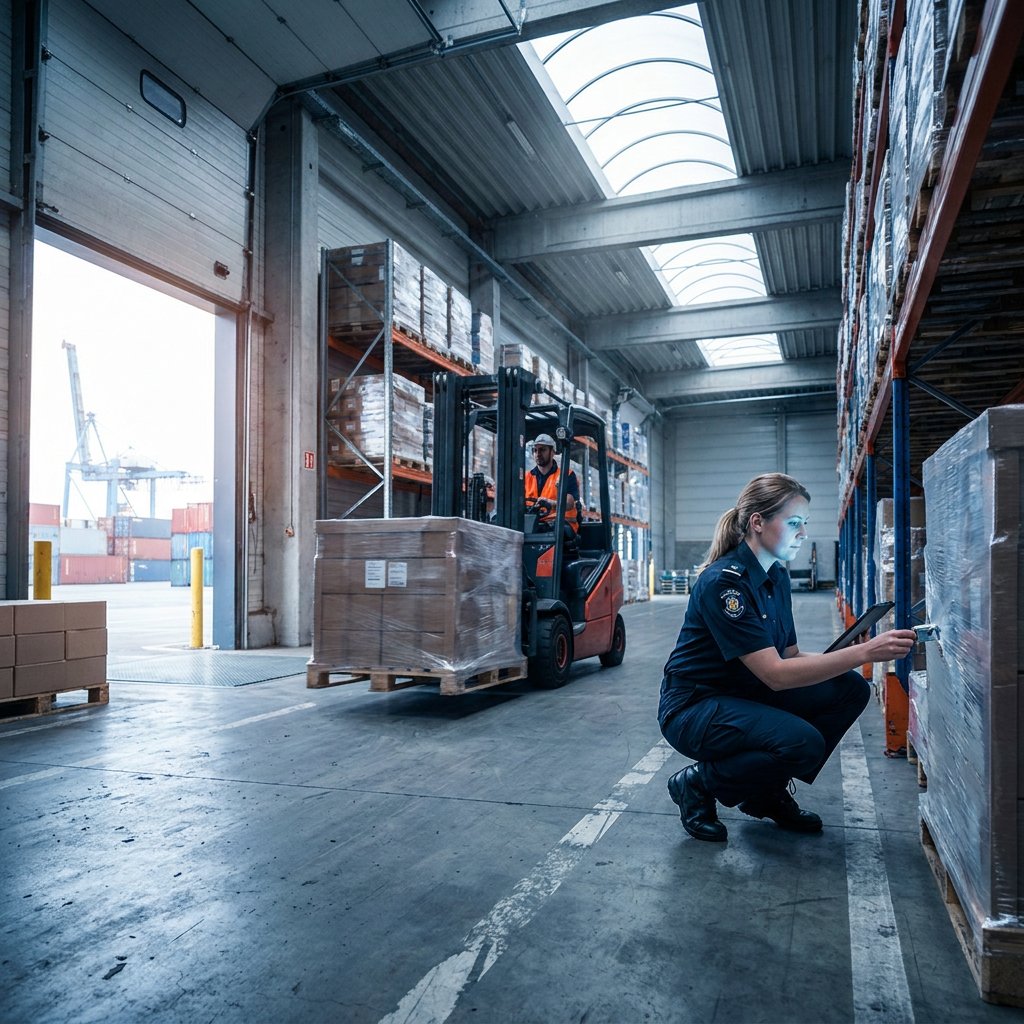
A strong customs warehousing setup is not just about putting cargo on a shelf. Depending on the warehouse authorization and local customs rules, bonded warehouse services may also involve controlled operational support around the goods.
Typical service elements
- Inbound cargo coordination
- Customs documentation handling
- Inventory control and stock visibility
- Segregation of bonded and non-bonded goods
- Partial release planning
- Re-export preparation
- Bonded customs clearance coordination
- Secure handling for sensitive cargo categories
Possible value-added handling
In some customs bonded warehouse environments, specific non-transformative activities may be allowed under customs supervision, subject to the applicable rules and approvals. Examples can include:
- Sorting
- Relabeling
- Repacking
- Kitting
- Inspection
The exact scope depends on the country, customs authorization, product category, and facility setup. This is one reason why bonded warehouse management should always be planned together with customs experts, not as a standalone storage decision.
Public bonded warehouse vs private bonded warehouse
Another high-intent topic in search is the difference between public and private bonded warehouse models.
Public bonded warehouse
A public bonded warehouse is generally operated by a licensed third party and can be used by multiple importers. This model is often suitable if you want bonded storage without operating your own licensed site. It can be a practical route for businesses that need flexibility, lower overhead, or outsourced customs warehousing.
Private bonded warehouse
A private bonded warehouse is typically used by or for a specific operator under its own authorization structure. This may be more suitable for higher volumes, specialized workflows, or companies with stable import flows and dedicated customs needs.
The best option depends on shipment frequency, product value, customs complexity, and the level of operational control you need.
Bonded warehouse customs clearance and release workflow
Many visitors searching for bonded warehouse customs clearance or bonded customs clearance want to know how the process works in practice. While the exact sequence varies by shipment and jurisdiction, the workflow usually follows a structured path.
- Cargo arrives and is placed under the relevant customs status
- Goods move into a licensed customs warehouse facility
- Inventory is recorded and controlled under customs requirements
- Goods remain in bond while you decide on release, transfer, or re-export
- When needed, a full or partial customs clearance is submitted
- Duties and taxes are paid only on the quantity released for domestic circulation
- The released goods move onward for fulfillment, distribution, or delivery
This structure is one of the biggest reasons companies use bonded warehouse services. It allows you to align customs payments with actual sales or distribution timing instead of cargo arrival timing.
Goods commonly stored in bonded facilities
Bonded storage can apply to many product categories, provided the facility and authorization fit the cargo type. Typical examples include:
- Consumer goods
- Electronics
- Industrial components
- Retail inventory
- High-value imported stock
- Products intended for onward export
Some specialized searches, such as dangerous goods warehouse, bonded cold storage, alcohol bonded warehouse, liquor bonded warehouse, bonded warehouse for alcohol, or bonded wine storage, reflect cargo types that usually require extra regulatory and operational controls. In those cases, companies should verify both customs suitability and product-specific storage compliance before selecting a facility.
How bonded warehousing supports importers, exporters, and distributors
Bonded warehouse services can serve different business models in different ways.
Importers
If you import in volume, bonded warehousing gives you time. You can bring goods into a strategic logistics location, defer duty exposure, and clear stock only when there is a concrete need to release it.
Exporters and re-exporters
If your goods are not ultimately destined for the local market, bonded storage can simplify the movement from arrival to onward export without unnecessary domestic import settlement.
Distributors and multi-market sellers
If you serve several countries from one inventory pool, customs warehouse solutions can help you centralize stock while keeping distribution options open.
Ecommerce and retail operations
When demand fluctuates, bonded inventory allows more careful release planning and can reduce the financial pressure of clearing an entire shipment too early.
Choosing the right bonded warehouse services partner
If you are comparing bonded warehouse providers, the decision should go beyond location alone. A suitable setup depends on operational fit, customs coordination, and supply chain responsiveness.
What to look for
- Experience with customs warehousing and bonded storage workflows
- Clear coordination between warehousing, customs brokerage, and onward transport
- Secure inventory handling and accurate stock control
- Ability to support phased release and re-export planning
- Visibility across your cargo movement and documentation
- Flexibility that matches your volume and commercial model
Ocean Quest Logistics positions its broader warehousing solutions around secure, flexible storage, backed by customs brokerage, real-time tracking, and logistics coordination from Antwerp. While bonded warehouse services should always be confirmed based on your exact cargo and customs requirements, integrated support across storage, customs, and transport can make a major difference in execution quality.
Bonded warehouse services in Antwerp and international trade flows
For businesses moving cargo through Belgium, Antwerp is a strategically relevant logistics location. It supports international freight flows, customs activity, and onward access to major European markets. If your imports require a customs-managed storage solution, a bonded warehouse setup linked to transport and brokerage can help reduce friction between arrival, storage, clearance, and final distribution.
This matters particularly when you want to avoid fragmented communication between warehouse operators, customs brokers, and transport providers. A more connected process can lower delays, improve document accuracy, and make release planning more predictable.
Frequently asked questions
What is a bonded warehouse?
A bonded warehouse is a customs-controlled storage facility where imported goods can be stored before duties and taxes are paid. Charges are usually deferred until the goods are released for domestic circulation.
Do bonded warehouses still exist?
Yes. Bonded warehouses remain an important part of international trade and customs warehousing, especially for importers that want to defer duty payments or manage re-export flows more efficiently.
How long can goods stay in a bonded warehouse?
The allowed storage period depends on the local customs framework, the specific authorization, and the goods involved. Always confirm the applicable rules for the relevant country and warehouse setup.
What is the difference between a warehouse and a bonded warehouse?
A regular warehouse stores goods that are already in free circulation or do not require customs suspension. A bonded warehouse stores imported goods under customs control before duty and tax payment.
Can goods be repacked or relabeled in bonded storage?
In many cases, limited handling such as repacking, sorting, or relabeling may be possible, but only within the customs rules that apply to the facility and the goods.
When should you use bonded warehouse services?
Bonded warehouse services are often useful when you want to delay import charges, store non-cleared goods, release inventory in stages, or support re-export and multi-market distribution. If you want to discuss your requirements, contact us.
Is bonded inventory the same as a bonded warehouse?
No. Bonded inventory refers to the goods stored under customs control. The bonded warehouse is the facility where those goods are stored.
Are bonded warehouse storage rates always lower than standard warehousing?
Not necessarily. Bonded warehouse storage rates depend on the facility, handling requirements, customs administration, cargo type, and release complexity. The value often comes from duty deferral and supply chain flexibility rather than storage cost alone. For broader logistics and warehousing insights, read our blog.
Related articles
All articles

Tell us what needs moving.
Tell us what you're shipping, where it moves, how often, and what matters to you. We'll work out the right setup from there.