

FCL Shipping
Whether it's a regular container flow or a single shipment, we can coordinate the ocean freight, customs and inland transport around what you need.
Clear pricing
You know what you're paying before you commit.
You can see everything
Your shipment, documents and key updates stay visible in one place.
Someone who knows your business
You always know who to call.
In detail
FCL Shipping
A dedicated container, booked for you alone.
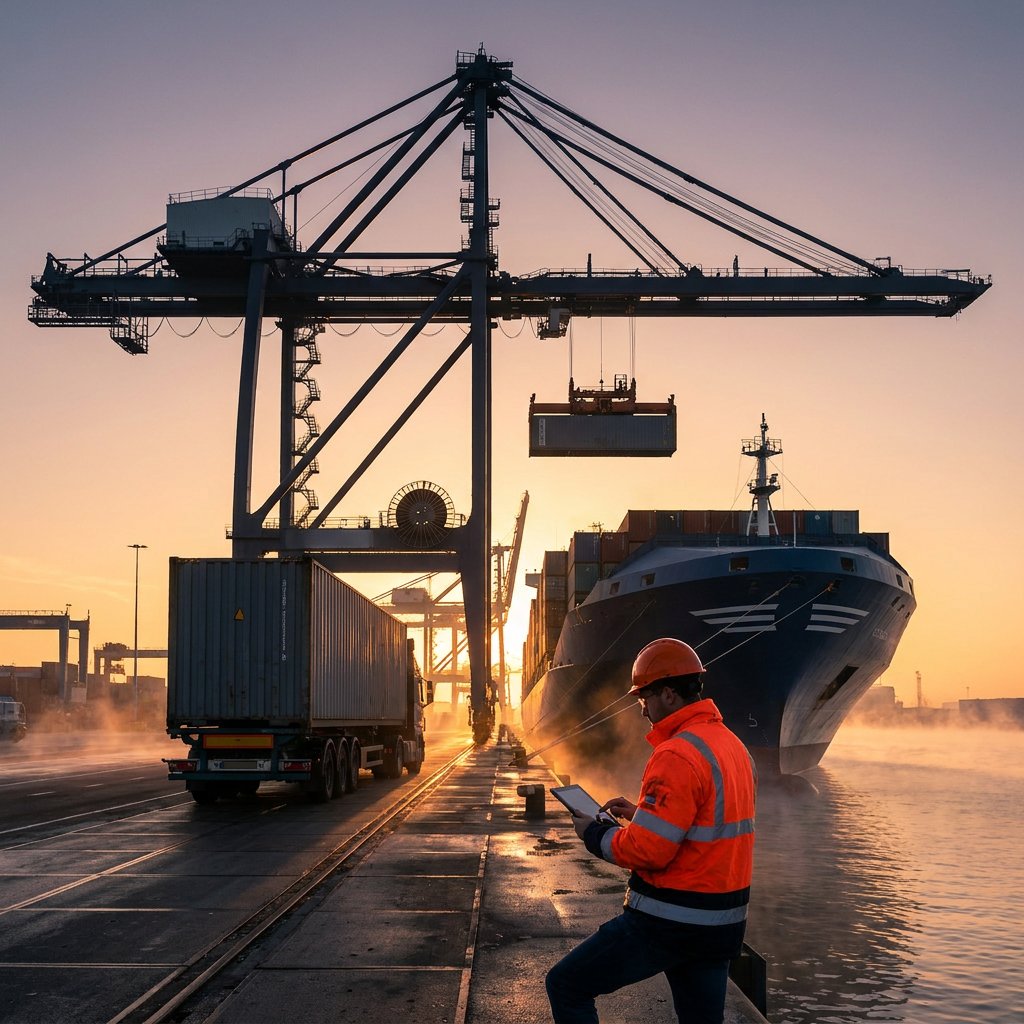
Need a reliable way to move larger ocean freight shipments with more control, fewer touchpoints, and predictable handling? With FCL shipping, your goods travel in a dedicated container booked for a single shipper, giving you a strong solution for volume, cargo protection, and smoother transit planning. Ocean Quest Logistics supports your full container load shipping from booking to final delivery, including planning and scheduling, pick-up coordination, transportation and tracking, customs brokerage, and last-mile delivery.
What is FCL shipping?
FCL shipping means Full Container Load shipping. In shipping terms, it refers to ocean freight where one shipper books the entire container for a single shipment. Your cargo is loaded into one container and typically remains together throughout the main transport leg, instead of being combined with cargo from other shippers.
This makes FCL ocean freight a practical option when you want more control over loading, sealing, timing, and cargo handling. While many people assume a container must be completely full, that is not always the case. A 1 FCL container can still be the right choice when the total shipment volume, cargo sensitivity, or timing makes a dedicated container more efficient than shared freight.
When FCL shipping makes sense
FCL is usually the best fit when you need efficiency at container level rather than paying for shared space. It is commonly chosen for larger shipments, higher-value goods, sensitive cargo, or supply chains where reducing handling matters.
- Higher shipment volumes that start approaching the break-even point versus LCL service
- Goods that benefit from fewer handling moments
- Shipments that need better control over loading and delivery flow
- Cargo with stricter packaging or securing requirements
- Import and export flows where timing consistency is more important than maximum flexibility
In practice, many shippers begin comparing FCL and LCL once shipment volume reaches roughly the mid-teen CBM range, but the right decision also depends on route, port charges, trucking, cargo type, and lead time requirements.
FCL vs LCL shipping
One of the most common questions in sea freight is whether to choose FCL or LCL. LCL stands for less than full container load, meaning your cargo shares container space with other shipments. FCL and LCL each have a clear role, but they solve different logistics needs.
Key differences between FCL and LCL
Factor | FCL shipping | LCL shipping
|
|---|---|---|
Container use | Exclusive use of one container | Shared container with other shippers |
Pricing model | Rate per container | Rate based on volume, often CBM |
Handling | Fewer touchpoints | More consolidation and deconsolidation |
Transit flow | Usually more direct | Often affected by consolidation timing |
Cargo security | Better for sensitive or valuable cargo | More exposure during shared handling |
Best fit | Larger volumes or control-focused shipments | Smaller shipments and flexible lower-volume moves |
Which is better, LCL or FCL?
Neither is universally better. FCL is often better when your shipment is large enough, time-sensitive, fragile, or operationally easier to move in one dedicated container. LCL is often better for smaller shipments when you want to avoid paying for unused container space. The real comparison should include ocean freight, origin and destination charges, customs flow, inland transport, and the impact of extra handling.
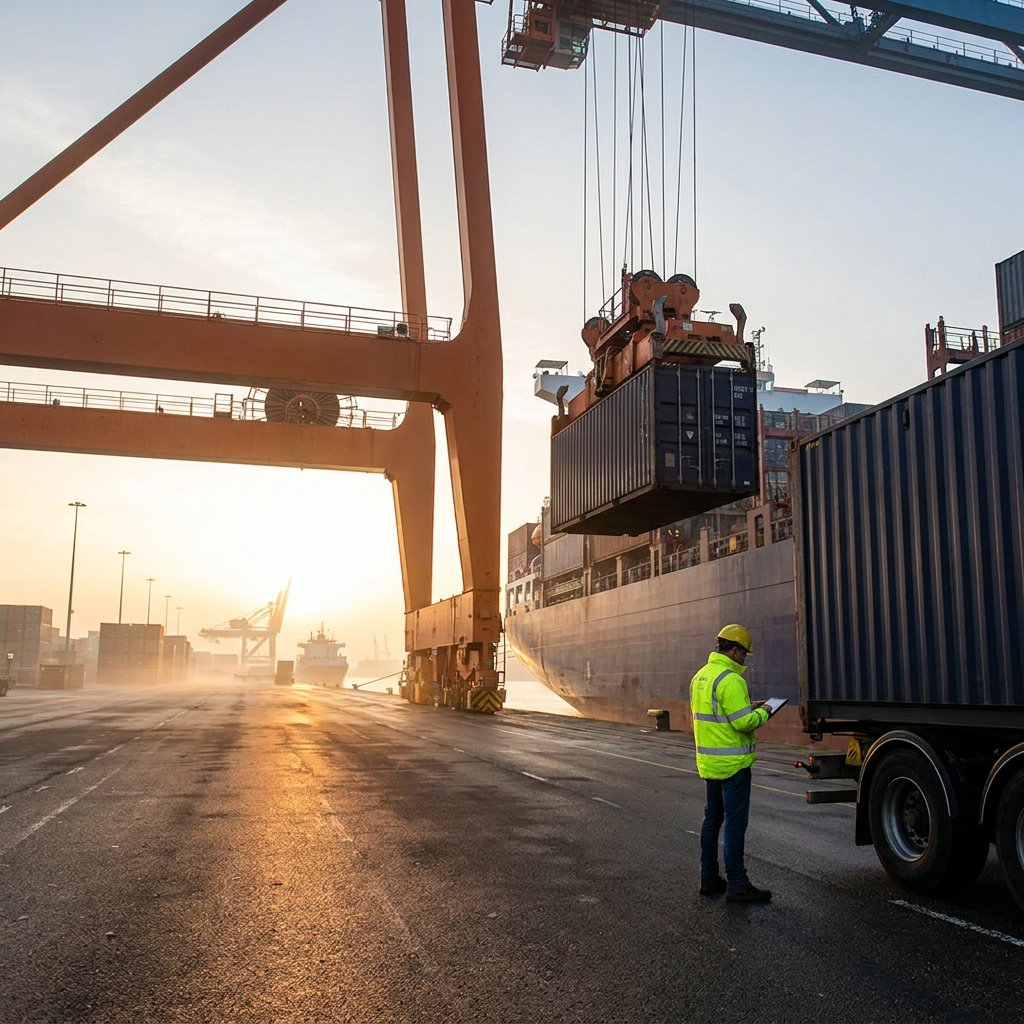
Benefits of full container load shipping
Full container load shipping is not only about capacity. It is also about operational simplicity. If your supply chain benefits from more predictable execution, FCL freight can reduce friction across the shipment lifecycle.
- Less cargo handling, which can reduce the risk of damage
- Better control over stuffing, sealing, and cargo securing
- Faster overall flow compared with many shared-container scenarios
- Potentially better cost efficiency per unit at higher volumes
- Cleaner planning for warehouse receiving and final delivery
- Suitable for a wide range of export FCL and import FCL movements
For many businesses, the biggest advantage is that FCL cargo moves as one shipment unit, which simplifies communication, tracking, and operational planning.
FCL container options and common sizes
Shippers often search for terms like 20 FCL container, 40 FCL container, 20gp FCL container, or 1 full container load. These all refer to dedicated container usage, but the right equipment depends on the cargo dimensions, weight, packaging method, and final delivery setup.
20ft and 40ft container planning
The two most common standard options in FCL sea freight are 20ft and 40ft containers. A 20ft container is often selected for heavier cargo with lower total volume, while a 40ft container is often better for lighter but bulkier shipments. Many searches such as 20 feet FCL container, FCL 20 ft container, FCL 20ft, 40 feet FCL, or FCL 40 ft container all point to this equipment decision.
What does 40 FCL mean?
40 FCL usually refers to a full container load booked in a 40-foot container. It does not automatically mean the container is physically filled to 100 percent. It means the container is reserved as a dedicated shipment unit for one shipper.
How CBM relates to FCL
CBM still matters in FCL planning even though FCL pricing is not usually charged the same way as LCL. Search terms like 20 FCL CBM, 20 FCL container CBM, 40 FCL CBM, and FCL CBM reflect the need to estimate how much cargo fits into a container and whether the shipment should move as FCL or LCL. Volume, packaging layout, stackability, and weight distribution all affect the decision.
How FCL shipping costs are calculated
Searches for full container load shipping cost, FCL shipping cost, FCL shipping rates, FCL container shipping cost, and full container load price all point to one core question: what determines the final amount you pay?
FCL cost is influenced by more than the base ocean freight rate. Your total shipment price may include origin handling, destination charges, inland transport, customs-related costs, documentation, and possible surcharges depending on the route and season.
Main cost factors in FCL shipping
- Container type and size
- Origin and destination ports
- Market conditions and seasonal demand
- Cargo weight and loading profile
- Pick-up and final delivery requirements
- Customs brokerage and documentation needs
- Port-related charges and local surcharges
When FCL can be more cost-effective than LCL
There is no universal threshold, but many comparisons start when cargo volume gets closer to the point where shared freight charges, handling fees, and added complexity begin to outweigh the flat container rate. This is why FCL and LCL should always be compared as a total landed logistics cost, not just on the headline ocean rate.

What is included in an FCL shipping process?
Ocean Quest Logistics supports ocean freight shipping with a practical end-to-end approach. For FCL shipment planning, the process usually starts with shipment details and scheduling, then moves through pick-up, transport execution, shipment visibility, customs support, and final delivery.
Typical FCL shipment flow
- Request a quote with cargo, route, and timing details
- Confirm planning and scheduling for the shipment
- Arrange pick-up and packaging coordination where needed
- Book the ocean leg and prepare shipment documents
- Track the shipment in transit with real-time visibility
- Manage customs brokerage and destination coordination
- Complete final delivery and delivery confirmation
This structure is especially useful when you want a single logistics partner to manage the move from booking to final delivery rather than coordinating multiple parties yourself.
Documents commonly required for FCL freight
Documentation is a critical part of full container shipping. The exact paperwork depends on the route, cargo type, and customs requirements, but several documents appear in most FCL ocean freight shipments.
- Bill of lading
- Commercial invoice
- Packing list
- Customs declarations
- Import or export permits where applicable
- Additional cargo-specific certificates when required
Accurate paperwork helps reduce delays, inspections, and avoidable costs. It also supports smoother customs clearance and better coordination at destination.
Customs, tracking, and final delivery
FCL shipping does not stop at the port. A successful shipment also depends on customs execution, transport planning after arrival, and visibility during transit. That is why many businesses want more than a carrier booking. They need freight forwarding support that covers the entire move.
Ocean Quest Logistics supports customs brokerage, transportation and tracking, and last-mile delivery as part of its broader logistics approach. For you, that means fewer handover points, more centralized communication, and better control over timelines and exceptions.
How to decide if FCL is right for your shipment
If you are comparing container FCL and LCL options, ask a few practical questions before booking:
- Is your shipment volume close to or above the point where FCL becomes cost-efficient?
- Would extra handling increase risk for your goods?
- Do you need a more direct ocean freight flow?
- Does your warehouse or consignee prefer dedicated container delivery?
- Will a single container improve planning across customs and inland transport?
If the answer to several of these is yes, FCL shipping may be the stronger option for your business.
Why businesses choose Ocean Quest Logistics for FCL shipping
When you book FCL freight, execution matters as much as rate. Ocean Quest Logistics is built around fast, reliable, and customized logistics support for businesses that want fewer delays, fewer document errors, and clearer communication throughout the shipment.
- Support from booking to final delivery
- Planning and scheduling for smoother shipment coordination
- Pick-up and packaging support where needed
- Real-time shipment tracking and centralized visibility
- Customs brokerage support
- Last-mile delivery coordination
- Direct expert support instead of fragmented communication
For businesses moving full container load shipments, that combination helps create a more controlled and accountable shipping process.
Frequently asked questions
What is FCL shipping?
FCL shipping means Full Container Load shipping. One shipper books an entire container for their own cargo, rather than sharing space with other shippers.
What does FCL stand for in shipping?
FCL stands for Full Container Load. It is one of the most common shipping terms used in ocean freight and logistics.
Is FCL an incoterm?
No. FCL is not an Incoterm. It describes a shipping method, while Incoterms define responsibilities, costs, and risk transfer between buyer and seller.
What does 40 FCL mean?
It usually means a shipment booked as a full container load in a 40-foot container.
Can FCL be cheaper than LCL?
Yes. FCL can be more cost-effective when cargo volume is high enough or when the extra handling and fees in LCL make shared shipping less efficient overall.
Is a full container load always physically full?
No. Full container load refers to exclusive use of the container, not necessarily that every cubic meter is used.
What kinds of goods are suitable for FCL cargo?
FCL cargo is commonly used for palletized goods, machinery, retail stock, industrial products, and shipments that benefit from fewer handling points or dedicated container control.
How do I choose between a 20ft and 40ft FCL container?
The choice depends on cargo volume, weight, packaging dimensions, stacking ability, and delivery setup. A logistics review helps determine which option fits best.
Does Ocean Quest Logistics handle more than ocean transport?
Yes. Ocean Quest Logistics also supports planning and scheduling, pick-up and packaging, transportation and tracking, customs brokerage, and last-mile delivery. If you are planning an import or export shipment and want a more efficient full container shipping process, Ocean Quest Logistics can help you evaluate the right setup for your cargo, route, and delivery requirements. Whether you are comparing FCL and LCL, estimating FCL shipping rates, or preparing a dedicated container move, you can request a quote and contact our team for the next step.
Related articles
All articles

Tell us what needs moving.
Tell us what you're shipping, where it moves, how often, and what matters to you. We'll work out the right setup from there.