

Breakbulk
Breakbulk may be considered when a shipment cannot be loaded safely or efficiently into a standard container, or when dismantling and repacking the goods would create unnecessary complexity.
Clear pricing
You know what you're paying before you commit.
You can see everything
Your shipment, documents and key updates stay visible in one place.
Someone who knows your business
You always know who to call.
In detail
Breakbulk
Freight that needs more room than a standard container.
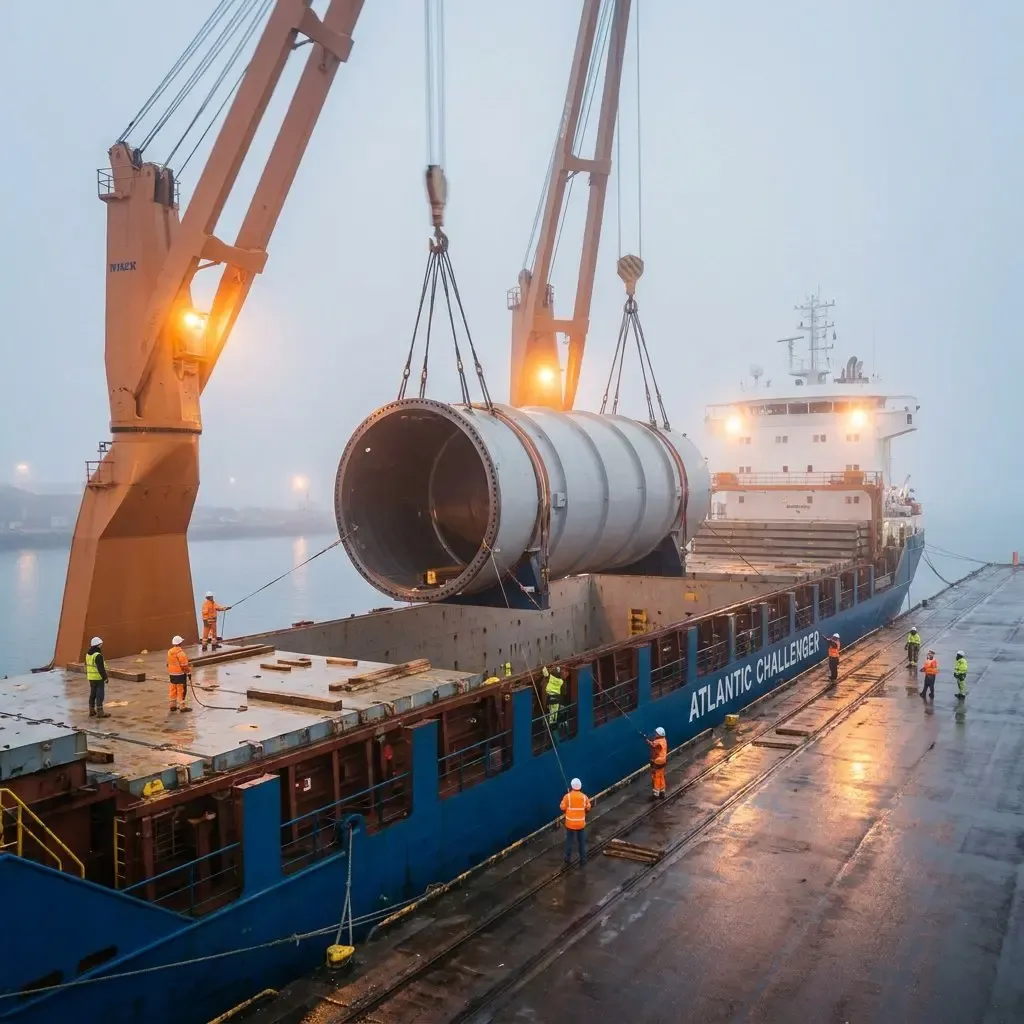
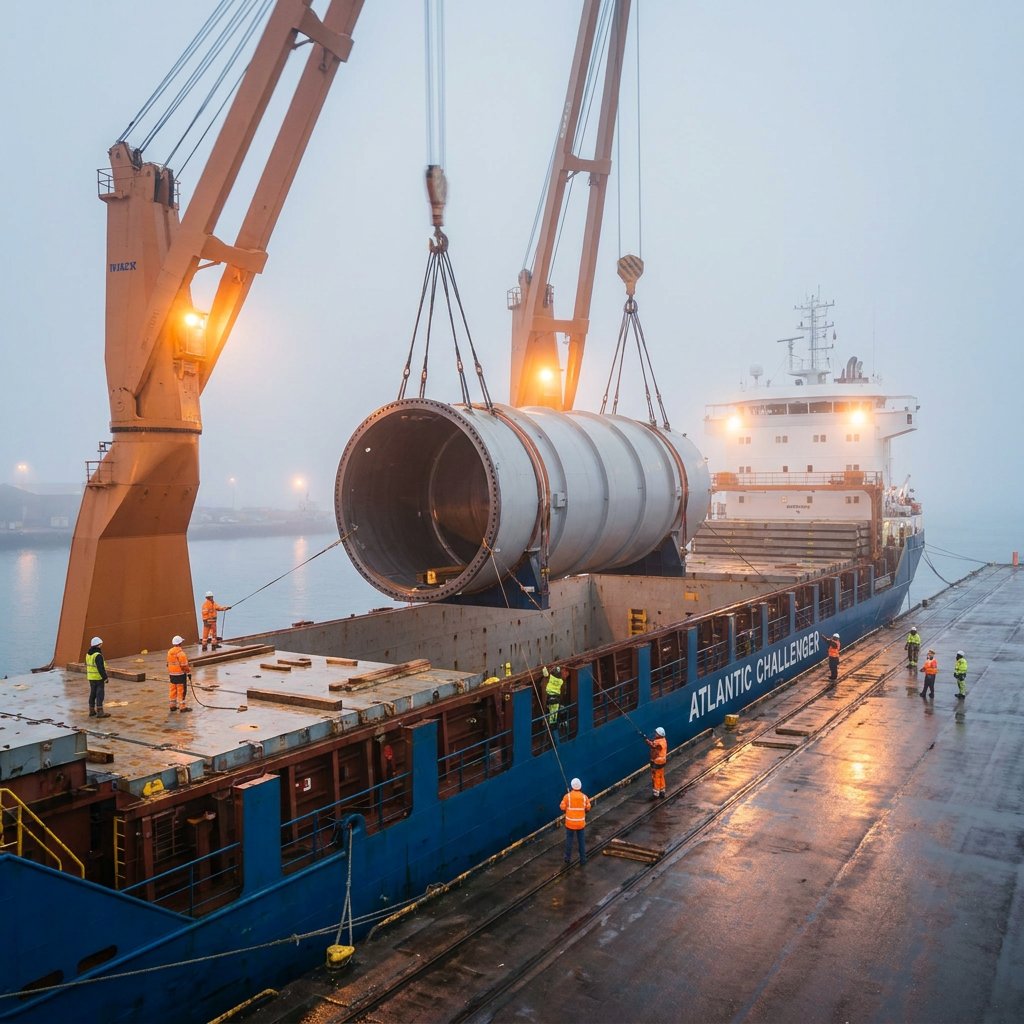
Breakbulk shipping is used for cargo that is transported as individual units rather than inside standard shipping containers. It can be relevant when goods are oversized, unusually shaped, heavy, or impractical to containerise. Send us your shipment details to discuss the most suitable ocean freight approach and the documentation, customs and delivery coordination involved.
What is breakbulk cargo?
Breakbulk cargo is freight loaded, secured and discharged as separate pieces. Instead of being packed into a standard container, the cargo may move as crates, machinery, steel components, vehicles, drums, pallets or other individually handled units.
The term is commonly used in ocean freight, where each item requires its own handling and stowage planning. This differs from dry bulk cargo, such as grain or coal, which is loaded loose in large quantities, and from containerised cargo, which moves inside sealed containers.
When breakbulk shipping may be considered
Breakbulk may be considered when a shipment cannot be loaded safely or efficiently into a standard container, or when dismantling and repacking the goods would create unnecessary complexity. The right transport solution depends on the cargo dimensions, weight, packing, route, port facilities and delivery requirements.
- Large individual items: equipment, industrial components or long materials that exceed standard container dimensions.
- Heavy cargo: goods that require specific lifting, securing or terminal handling arrangements.
- Irregular cargo: freight with shapes or packaging that are difficult to containerise.
- Project-related movements: shipments that need close coordination across collection, ocean freight, customs and final delivery.
Breakbulk is not automatically the best option for every non-standard shipment. A shipment should be assessed carefully before booking, as handling requirements, transit options and port charges can differ significantly by route.
Information needed to plan a breakbulk shipment
Clear cargo information helps freight partners determine whether a proposed transport plan is workable and identify potential issues early. Incomplete specifications can lead to booking delays, handling restrictions or unexpected charges.
Shipment detail | Why it matters |
|---|---|
Dimensions and weight of each piece | Needed to assess handling, loading and transport requirements. |
Packaging and lifting points | Helps determine how cargo can be handled and protected during movement. |
Collection and delivery locations | Supports route planning, port selection and inland transport coordination. |
Cargo description and value | Important for commercial documents, customs declarations and applicable requirements. |
Target shipping date | Allows time to check routing, cut-offs and documentation before shipment. |
Plan ocean freight with fewer avoidable delays
Non-standard cargo requires accurate information and coordinated handoffs. Ocean Quest Logistics can review your international shipment requirements and support the wider freight process with ocean freight coordination, customs brokerage services, shipment visibility, warehousing and final delivery services where applicable.
For coordinated transportation, handling and logistics support, explore our 3PL logistics services. To better understand cost considerations, review our guide to ocean freight charges.
Share your cargo details, origin, destination and required timing. We will help you establish the next practical steps for your shipment.
Frequently asked questions
What does breakbulk mean in shipping?
In shipping, breakbulk means cargo is moved as separate units rather than in a standard container or as loose bulk material. Each item may require individual loading, securing and discharge arrangements.
What is the difference between RoRo and breakbulk?
RoRo, short for roll-on/roll-off, is designed for cargo that can be driven or rolled onto and off a vessel, such as vehicles or wheeled equipment. Breakbulk is a broader term for individually handled cargo and may involve lifting or other handling methods depending on the cargo and vessel arrangement.
What documents are important for breakbulk cargo?
Requirements vary by shipment and destination, but accurate commercial documentation, cargo specifications, declared values, HS classification and any required permits or certificates are important. Customs requirements should be checked before shipment. Learn more about how to avoid customs delays and the different roles of freight forwarders, carriers, and customs brokers.
Can breakbulk cargo be shipped through Antwerp?
Antwerp is an important gateway for international ocean freight. Whether a particular shipment can move through a specific port depends on cargo characteristics, carrier options, terminal handling requirements, routing and onward delivery arrangements.
Related articles
All articles



Tell us what needs moving.
Tell us what you're shipping, where it moves, how often, and what matters to you. We'll work out the right setup from there.