
Delayed Customs Clearance
 Roeslan Ozdoyev13 min read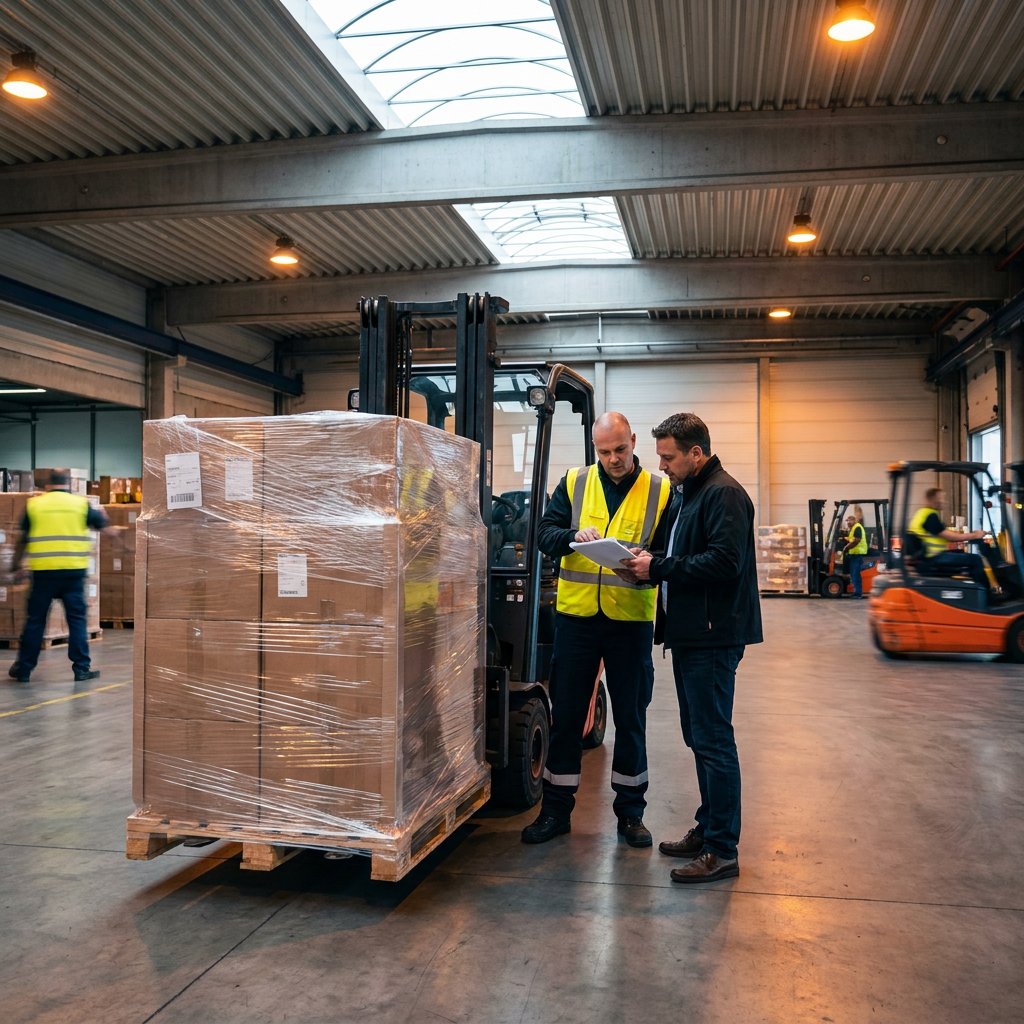
A delayed customs clearance status means your shipment has been stopped somewhere in the import process until customs, a broker, or the carrier receives what it needs to move forward. In most cases, the issue is not that the package is lost. It usually means customs needs more information, more time, or a correction before release.
If you are seeing messages like clearance delay, customs clearance delay DHL, customs clearance delay UPS, FedEx import clearance delay, or international clearance of your package has been delayed, the next step is to identify the exact reason behind the hold. The cause can be as simple as a missing commercial invoice or as serious as a regulatory review, product restriction, or duty dispute.
This guide explains what delayed customs clearance means, the most common reasons it happens, what you should do next, how long it can last, and how businesses can reduce the risk of future delays.
What does delayed customs clearance mean?
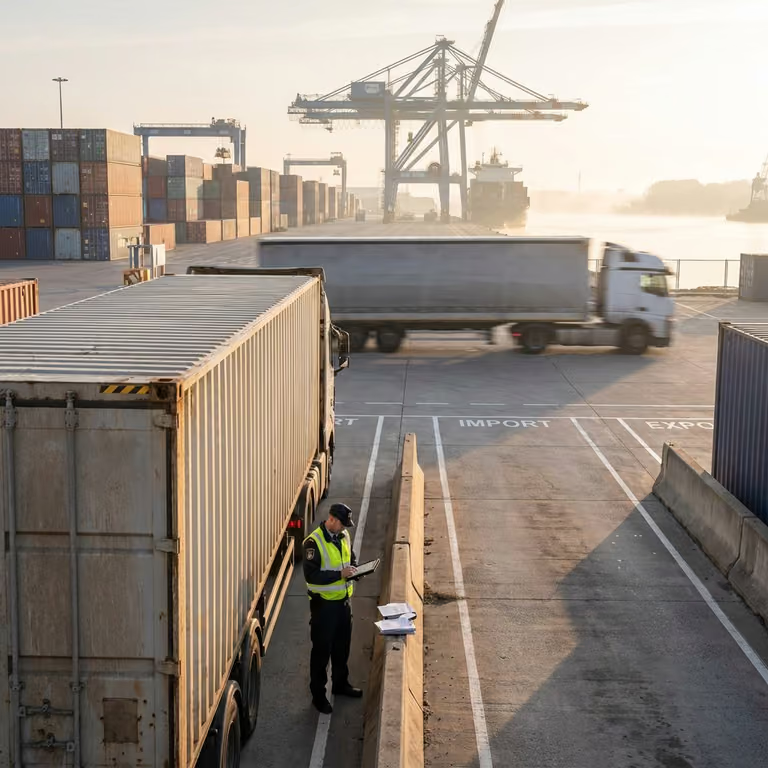
Delayed customs clearance means a shipment cannot be released yet because something in the customs process is incomplete, unclear, or under review. This can happen before the goods enter the destination country, while they are at the border, or after arrival at an airport, port, or bonded facility.
Carriers and tracking systems often show slightly different status messages, such as clearance delay import, package delayed due to some issues during the customs clearance, import customs clearance delay, or import customs clearance failure delayed by customs review. While the wording changes, the underlying meaning is similar: the shipment needs intervention, verification, or extra processing before delivery can continue.
For importers, the key point is that customs delay is not one single problem. It is a category of problems. The real solution depends on whether the issue is documentation, classification, declared value, taxes, permits, inspection, or carrier-side brokerage handling.
Why customs clearance delays happen
The strongest pattern in top-ranking pages is clear: most customs delays are caused by incomplete paperwork, compliance mismatches, and extra checks on the shipment. External congestion can also slow release, but documentation and compliance issues are usually the first place to look.
Missing or incorrect documents
This is the most common cause of a custom clearance delay. If customs or the carrier cannot verify what is being shipped, who is shipping it, who is receiving it, and what it is worth, the shipment can be held immediately.
Typical document problems include missing invoices, incomplete shipper or consignee details, unclear product descriptions, incorrect quantities, and unsupported values. A very common trigger for a clearance delay import shipment requires a commercial invoice status is exactly what it sounds like: customs needs a valid commercial invoice before processing can continue.
HS code or classification errors
An incorrect Harmonized System code can create delays because duties, restrictions, product requirements, and admissibility all depend on proper classification. If the HS code does not match the product description, customs may request clarification or reclassify the goods before release.
This issue often appears in business shipments with technical, mixed, or specialized goods where product naming is too general. Descriptions like parts, accessories, samples, or equipment are often not specific enough for fast clearance.
Declared value problems
Customs may pause a shipment if the declared value appears too low, too high, or inconsistent with the invoice and product type. Undervaluation can trigger review because it affects duties and taxes. Overstated or inconsistent values can also create compliance questions and brokerage delays.
When value issues are flagged, customs may request proof such as purchase orders, payment records, product specifications, or a corrected invoice.
Regulatory review or restricted goods
Some products face tighter screening because they fall into regulated categories or higher-risk commodity groups. This can include electronics with batteries, chemicals, medical items, food, cosmetics, alcohol, plant materials, or dual-use goods. In these cases, a status such as clearance delay import goods are subject to regulatory review may appear because another agency or customs team must complete additional checks.
Even when the paperwork is mostly complete, the shipment may still be delayed if permits, certifications, labeling details, or product compliance evidence are required.
Inspection by customs
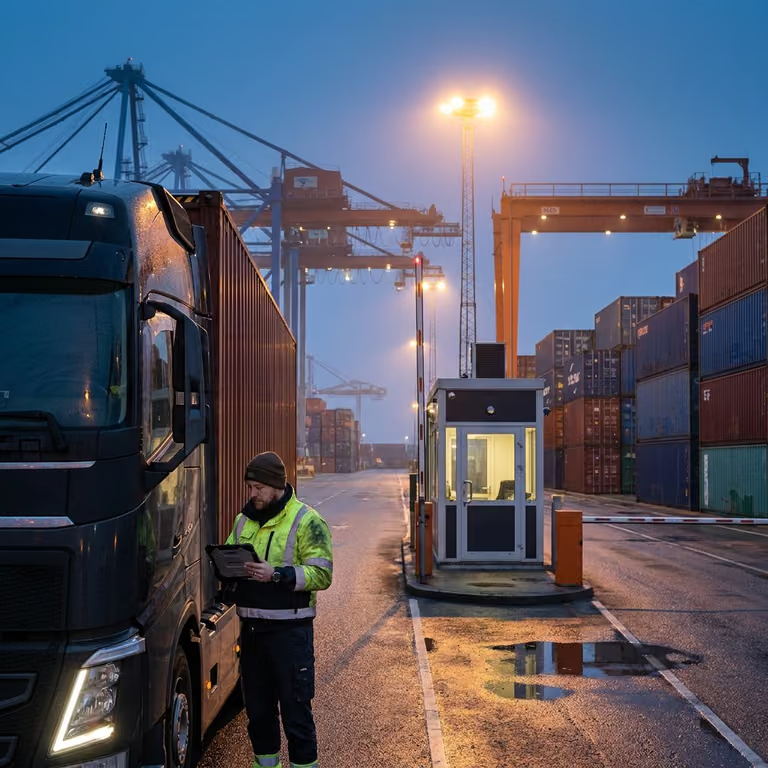
Customs inspections can be random or risk-based. If your shipment is selected for examination, clearance may pause until the inspection is completed. Delays become longer when customs finds differences between the documents and the physical contents.
Inspection-related delays are not always a sign that you did something wrong. However, they do become more difficult when the package description is vague or the contents do not align well with the documents submitted.
Duties, taxes, and brokerage holds
A shipment can also be delayed because duties, VAT, fees, or brokerage instructions are still pending. This is common when the importer has not yet paid charges, when account details do not match, or when the carrier needs broker authorization to continue.
Some tracking messages can be very specific, such as clearance delay import customer has requested non express clearance or clearance delay import detailed broker information is required. These usually point to a process choice or missing customs representation details, not necessarily a physical problem with the goods.
Carrier congestion and operational backlog
Not every customs clearance delay is caused by your documents. During peak seasons, customs terminals, airports, seaports, and courier networks can experience backlogs. Staff shortages, heavy import volumes, and security events can all slow processing, even when the shipment is fully compliant.
This is usually not the first cause to assume, but it can explain delays when the paperwork is already confirmed and no correction request has been issued.
Common tracking messages and what they usually mean
Tracking language often creates confusion because carriers use short system messages that do not explain the real issue. Here is what the most common statuses usually indicate.
Status message | What it usually means | What you should check
|
|---|---|---|
Clearance delay | The shipment is held in the customs process pending review, documents, or payment | Ask the carrier or broker for the exact reason code |
Customs clearance delay DHL | DHL's brokerage or customs team needs more information or processing time | Invoice, consignee details, duties, product description |
Customs clearance delay UPS | UPS cannot complete release yet due to a customs or broker-side issue | Importer data, tax payment, supporting documents |
Clearance delay FedEx | FedEx import processing is on hold pending action or review | Commercial invoice, broker request, classification, regulatory checks |
FedEx import clearance delay | The shipment is in FedEx import customs handling but not yet released | Whether FedEx contacted the importer for documents or payment |
Clearance delay import in clearance process | The shipment is still actively being processed, but release is not final | Whether this is normal queue time or a flagged exception |
Clearance delay import shipment requires a commercial invoice | Customs or the carrier cannot clear the goods without a proper invoice | Send a complete invoice with goods description, value, origin, and parties |
International clearance of your package has been delayed | The import clearance stage is taking longer than planned | Whether a document request or inspection notice was issued |
Hi international clearance of your package has been delayed | A variation of the same import-delay message in courier tracking or notifications | Open the detailed tracking event and contact the carrier if unclear |
What to do when your package is delayed at customs
If you are asking, what do I do when my package is delayed at customs, the fastest route is to stop guessing and identify the exact hold reason. Customs delays are resolved by facts, not by repeated status checks.
1. Check the latest detailed tracking event
Look beyond the headline status. The detailed event log may mention whether the issue is documentation, payment, broker information, inspection, or regulatory review. General statuses like delayed customs clearance or custom clearance delay often hide a more specific internal note.
2. Contact the carrier or customs broker for the actual exception
Ask for the exact reason the shipment is on hold and what document or action is required. If you are dealing with a clearance delay DHL, customs clearance delay UPS, or custom clearance delay FedEx case, the first useful question is not when will it be delivered, but what is missing for release.
If the shipment is with FedEx, many searchers look for terms like FedEx clearance delay contact, FedEx clearance delay phone number, or FedEx customs clearance delay phone number because they need direct brokerage clarification. The most important thing is to reach the carrier's import or brokerage team and ask for the required next step in writing if possible.
3. Verify the commercial invoice
Check that the invoice includes the full shipper and consignee information, accurate product descriptions, item quantities, unit values, total value, currency, country of origin, and terms of sale if required. If the goods are samples, returns, replacement goods, or non-sale items, the invoice must still clearly explain the transaction type and realistic customs value.
4. Confirm the product description and HS code
If the shipment is described too broadly, customs may not be able to classify it properly. Make sure the product description explains what the item is, what it is made of, and what it is used for where relevant. If needed, submit a corrected HS code and product sheet through the broker or carrier.
5. Check whether duties or taxes are unpaid
Some shipments stay stuck simply because import charges are pending. Confirm whether the importer must pay duties, VAT, or handling fees before release. If the carrier sent a payment link or customs notice, acting quickly can shorten the delay significantly.
6. Provide any requested permits or compliance documents
If customs requests certificates, product approvals, ingredient details, battery declarations, or other regulatory documents, send them as fast as possible and make sure they match the shipment exactly. Partial or unrelated documents can restart the review clock instead of solving the issue.
7. Escalate quickly for business-critical shipments
If the shipment affects inventory, production, or customer delivery commitments, it is worth involving an experienced customs brokerage team early. For businesses, a delay can create storage fees, missed deadlines, stockouts, and downstream supply chain disruption that cost far more than the shipment itself.
How long can a package stay in customs clearance?
There is no universal timeline because the duration depends on the reason for the hold, the destination country, the product type, the carrier, and how fast the missing information is resolved. Some delays are cleared within hours. Others take several business days, and complex regulatory or inspection cases can last longer.
As a practical rule:
- Simple document correction: often 1 to 3 business days
- Duty or tax payment issue: often same day to 2 business days after payment
- HS code or valuation review: often 2 to 5 business days
- Regulatory review or agency hold: several days to multiple weeks
- Physical customs inspection: highly variable depending on backlog and findings
If your tracking has shown a customs delay for several days without a clear reason, ask whether the shipment is merely queued or whether it is waiting on action from the shipper, importer, or broker. That distinction matters more than the raw number of days.
The business impact of customs clearance delays
For companies, delayed customs clearance is more than a delivery inconvenience. It can create immediate cost, disrupt internal planning, and weaken customer commitments. This is where business-focused logistics support matters most.
Direct cost exposure
Delays can lead to storage charges, demurrage, detention, rework on customs documents, expedited replacement shipments, and internal labor spent solving the exception. Even a small documentation error can become expensive once time-sensitive supply chains are involved.
Supply chain disruption
When imported goods are needed for production, resale, installation, or project delivery, one customs hold can disrupt multiple downstream activities. Teams may have to replan labor, shift inventory, delay deliveries, or communicate new timelines to customers and partners.
Operational pressure and customer risk
If the shipment supports committed service dates or launch windows, customs delays can quickly turn into commercial risk. This is especially true when the issue could have been prevented with better document checks, correct classification, or earlier broker involvement.
How to avoid customs clearance delays
The best way to handle a customs delay is to prevent it before the shipment moves. The leading pages touch on prevention, but this topic deserves more practical detail because it directly reduces cost and disruption.
Use complete and specific commercial documents
Every shipment should move with a complete, accurate commercial invoice and any required supporting documents. Product descriptions should be specific, values should be realistic, and the details across invoice, packing list, labels, and shipping data should match.
Classify goods correctly before shipping
Do not treat HS classification as an afterthought. Correct classification supports the right duty treatment, admissibility, and document set. This is especially important for technical, mixed, or regulated products.
Prepare for regulated or higher-risk commodities
If your goods contain batteries, chemicals, food components, medical use claims, or other regulated features, check the import requirements before dispatch. Waiting until the package is already in customs often creates avoidable delays.
Align shipper, consignee, and broker information early
Many delays happen because the customs broker does not have the right importer details, tax identifiers, contact person, or clearance instructions. Confirm these items before shipment so the carrier does not stop the import file for missing brokerage data.
Monitor shipments in real time
Real-time tracking helps you act before a minor issue becomes a long hold. If a shipment enters the clearance phase and stalls, early visibility gives you more time to submit missing documents, approve charges, or coordinate with the broker.
Work with a customs brokerage partner that checks for errors before filing
For businesses shipping internationally, proactive customs brokerage is one of the most effective ways to reduce delays. Ocean Quest Logistics supports customs brokerage as part of a broader logistics process designed to move goods through customs without delays, fines, or surprises. With direct expert support, real-time shipment tracking, and a process built around strict checks and error reduction, businesses can catch issues earlier instead of reacting after a shipment is already stuck.
When to get expert help
You should consider expert customs support when the shipment is high-value, time-sensitive, regulated, repeatedly delayed, or part of a larger supply chain commitment. The same applies if the carrier's updates are vague, if documents have already been resubmitted once, or if customs has raised questions about value, classification, or admissibility.
For business shipments, expert support can help you resolve the current delay and improve the process behind future imports. That includes document review, coordination with the carrier or broker, shipment visibility, and planning around freight and final delivery once the goods are released. For broader educational resources, see our customs and shipping guides, or contact our team if you need direct help with a delayed clearance issue.
FAQ about delayed customs clearance
What does custom clearance delay mean?
It means customs or the carrier's brokerage process cannot release your shipment yet. Usually, more information, a corrected document, payment, or additional review is required before delivery can continue.
What do I do when my package is delayed at customs?
Check the detailed tracking event, contact the carrier or broker for the exact hold reason, verify the invoice and product details, and provide any requested documents or payments immediately. The fastest solution depends on knowing the specific exception.
How long can a package stay in customs clearance?
It can range from a few hours to several business days, and longer for inspections or regulatory reviews. A simple missing invoice can be solved quickly, while a government review or restricted-goods issue may take much longer.
How to avoid customs clearance delays?
Use accurate documents, correct HS codes, clear product descriptions, realistic declared values, complete broker information, and pre-check any regulatory requirements before shipping. Real-time tracking and proactive customs brokerage also reduce risk.
Why does FedEx say clearance delay?
A clearance delay FedEx status usually means the shipment is waiting on import processing, documents, payment, or a customs review. If you see a FedEx import clearance delay or clearance delay import in clearance process FedEx update, contact FedEx brokerage to confirm the specific reason.
What does customs clearance delay DHL mean?
It means DHL cannot move the shipment forward until the customs issue is resolved. Common causes include missing consignee details, invoice problems, unpaid import charges, or additional customs checks.
Can a customs delay happen even if my documents are correct?
Yes. Customs can still inspect shipments, review regulated goods, or experience operational backlog. Correct documents reduce risk significantly, but they do not eliminate every possible delay.
Is delayed customs clearance the same as a lost package?
No. A customs delay means the shipment is being held in the clearance process. It may be delayed, but it is not automatically lost. The priority is to find out what customs or the carrier still needs.
Ready to move your next shipment?
Tell us what you're moving, where it needs to go and how often. We'll work out the right setup from there.