
Importer of Record
 Roeslan Ozdoyev4 min read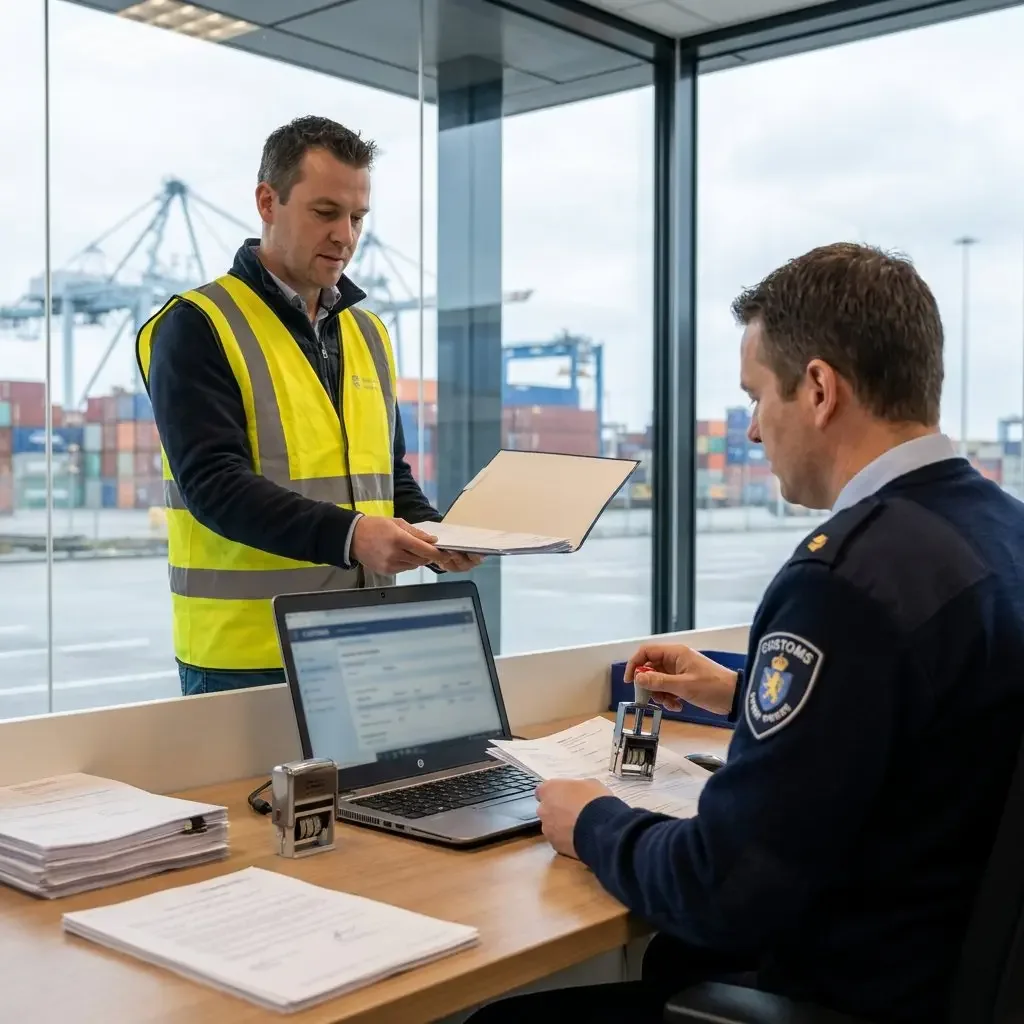
An Importer of Record, often shortened to IOR, is the party legally responsible for bringing goods into a country or customs territory. Choosing the right IOR is essential for accurate declarations, duty and VAT payments, and compliance with product and import requirements. For businesses importing into Belgium, the Netherlands, Luxembourg, or other markets, this role should be clear before goods are shipped.
What is an Importer of Record?
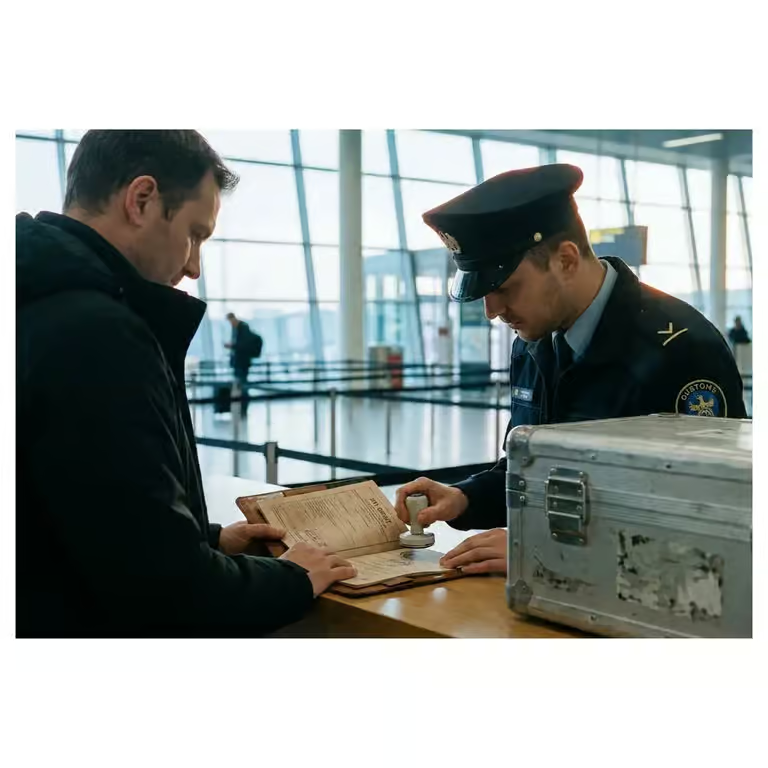
The Importer of Record is the person or legal entity named on the customs declaration as responsible for the import transaction. Depending on the country, this may be the buyer, owner of the goods, consignee, or another appropriately registered entity.
The IOR is accountable for ensuring that the information submitted to customs is correct and that the imported goods meet applicable requirements. This responsibility remains important even when a freight forwarder, carrier, or customs broker manages parts of the shipment process.
Importer of Record responsibilities
The precise requirements vary by country, product, and transaction, but an Importer of Record is typically responsible for:
- Accurate customs declarations: Providing correct information on the goods, their value, origin, quantity, and classification.
- HS classification: Using the correct commodity code to determine applicable duties, restrictions, and reporting requirements.
- Duties, VAT, and other charges: Paying or arranging payment of import duties, import VAT, and any applicable levies.
- Import compliance: Confirming that necessary licences, certificates, labels, product documentation, or permits are in place for regulated goods.
- Record keeping: Retaining import documents and supporting evidence in line with the rules that apply to the import country.
Errors in these areas can lead to delayed clearance, reassessments, penalties, storage charges, or further customs queries. Good preparation before departure can help avoid customs delays and is usually easier and less costly than resolving an issue after the cargo arrives.
Importer of Record, consignee, and customs broker
Role | Primary function |
|---|---|
Importer of Record | Holds legal responsibility for the import declaration, duties and taxes, and import compliance. |
Consignee | The party receiving the goods. The consignee may be the IOR, but this is not always the case. |
Prepares or submits customs declarations on behalf of the importer where authorised. A broker does not automatically become the IOR. | |
Freight forwarder | Coordinates transport and related logistics activities. The forwarder is not automatically the legal importer. |
In practice, these roles can overlap, but they should never be assumed to be the same. Confirm who is acting as IOR in writing and ensure the commercial invoice, transport documents, customs instructions, and party details are consistent.
Importer of Record requirements in the EU
For imports into the European Union, the importing party will generally need an Economic Operators Registration and Identification number, known as an EORI number, to interact with customs authorities. The party may also need appropriate VAT arrangements, depending on the import model and destination country.
An EORI number is not a universal “IOR number.” Registration requirements and the party permitted to act as importer can differ across jurisdictions. Before shipping, verify the requirements for the country of import, the product category, and the planned customs procedure.
Particular care is needed for goods subject to additional rules, such as controlled products, food, medical goods, chemicals, or products requiring safety and conformity documentation. Customs clearance cannot replace product-specific compliance obligations.
How Incoterms affect the IOR role
Incoterms set out how buyers and sellers divide transport costs, risks, and delivery responsibilities. They help clarify who is expected to arrange import clearance, but they do not override local customs law or automatically determine who can legally act as Importer of Record.
For example, under DDP, the seller takes responsibility for import customs clearance and import charges as part of the agreed delivery. Under DAP, the buyer commonly handles import clearance and import taxes. In either case, the parties should confirm that the intended IOR has the required registration, authority, and documentation before agreeing the shipping terms.
Prepare customs documents before cargo moves
Clear and complete documents support a smoother customs process. The exact document set depends on the shipment, but typically includes a commercial invoice, packing list, transport document, commodity codes, origin information, and any required permits or certificates.
Ocean Quest Logistics provides customs brokerage services as part of its international freight coordination. We can help coordinate the customs process alongside ocean or air freight, using complete and consistent shipment information. However, the legal Importer of Record must be identified by the importing business or its authorised party before customs clearance is arranged.
Planning an import into the BENELUX? Speak with our team about freight coordination and customs brokerage requirements for your shipment.
Frequently asked questions
Who should be the Importer of Record?
The right IOR is usually the party that can legally import the goods, provide reliable customs information, meet registration requirements, and accept responsibility for duties, VAT, and compliance. This should be agreed by the buyer and seller before shipment, not decided when the goods reach the border.
What does it mean to be the Importer of Record?
It means being the legally accountable party for the import transaction. The IOR is responsible for the accuracy of the customs entry and for meeting the financial and regulatory obligations connected with the goods entering the country.
Where can I find the Importer of Record number?
There is no single global IOR number. In the EU, customs operators generally use an EORI number. Other countries use their own importer identification or tax registration systems. Check the requirements of the country where the goods are being imported.
Ready to move your next shipment?
Tell us what you're moving, where it needs to go and how often. We'll work out the right setup from there.