

Peak season shipping
 Roeslan Ozdoyev5 min read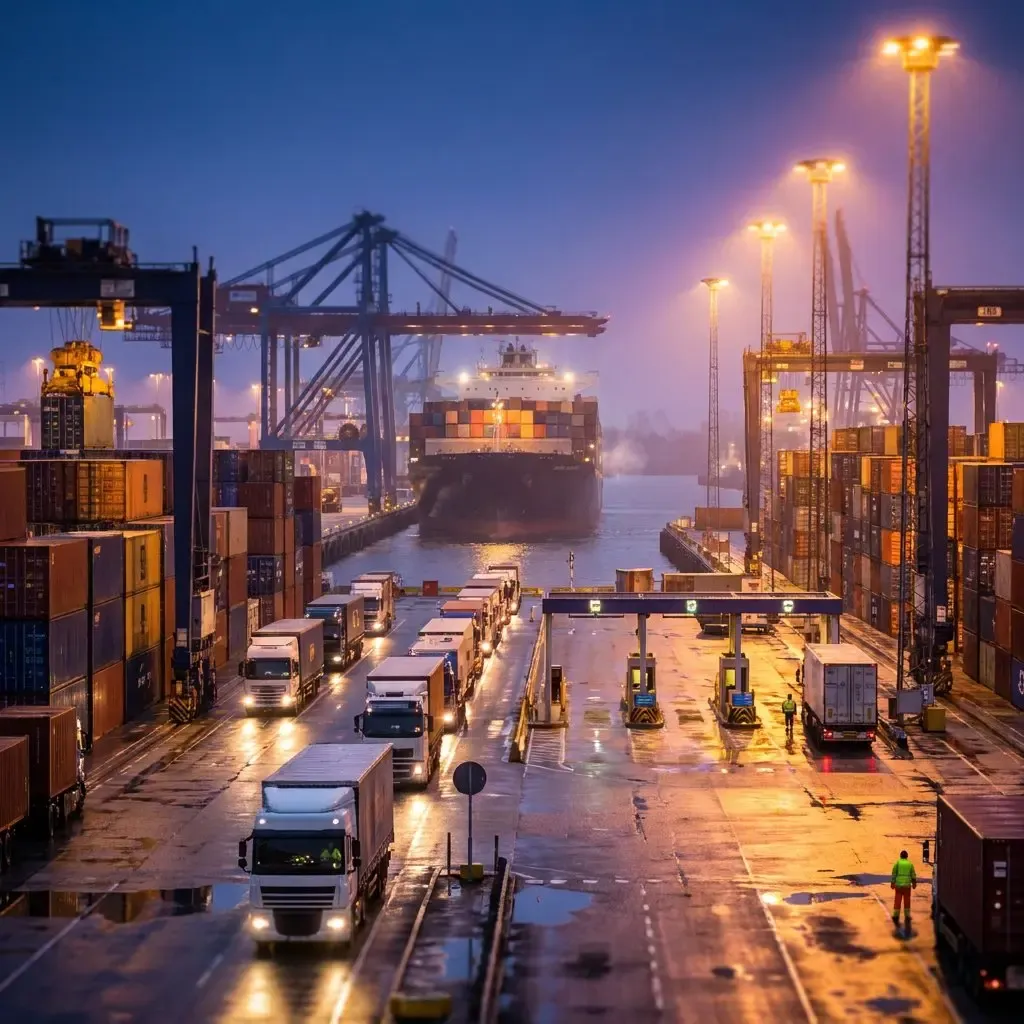
Peak season shipping is the period when demand for freight capacity, warehouse space and final delivery rises sharply. For importers and exporters, this can mean tighter carrier schedules, higher costs and less room to correct documentation or booking issues. A structured plan helps you protect delivery commitments before pressure builds across the supply chain.
What peak season means for freight
In logistics, peak season is not one fixed date. It is any period when shipment volumes rise faster than available transport and handling capacity. Demand is often driven by retail promotions, holiday sales, factory closures, seasonal inventory builds or industry-specific buying cycles.
For international trade into or out of the BENELUX, the impact can extend beyond the ocean or air leg. A late booking, missing customs document or changed carrier schedule may affect terminal handling, warehouse availability, inland transport and delivery to the final destination.
When does peak shipping season happen?
The busiest periods depend on your trade lane, products and customers, but several events regularly affect international freight planning:
- Before Chinese New Year: exporters often move cargo before factory closures, increasing demand for ocean and air freight space.
- Summer and back-to-school: seasonal retail inventory and holiday staffing can create pressure across transport and warehousing.
- Golden Week: production slowdowns in China and a rush before the holiday can disrupt normal shipping schedules.
- Black Friday, Cyber Monday and year-end sales: high e-commerce and retail volumes put pressure on fulfilment, parcel networks and last-mile delivery.
Do not rely only on a general peak-season calendar. Review supplier production dates, cargo-ready dates, customer delivery deadlines and local holiday schedules for every origin and destination involved.
How peak season affects your shipments
Peak periods create risk at every handoff. The most common issues are not always dramatic disruptions, but small delays that compound when schedules are full and alternatives are limited.
Limited capacity and schedule changes
Carriers, airlines, terminals and trucking providers may have less available capacity. Bookings can be harder to secure, sailing schedules can change and cargo may miss a planned connection. Urgent shipments may require different routing or a different transport mode, often at a higher cost.
Higher freight and accessorial costs
Ocean freight charges can become more volatile when demand rises. Carriers may apply peak season surcharges, and delays at ports or terminals can add costs for storage, demurrage or detention where applicable. Clear planning does not remove all additional costs, but it gives your team more time to evaluate options before cargo is already waiting.
More pressure on customs and documentation
Customs formalities do not become less important during busy periods. Incomplete commercial invoices, incorrect HS classifications, inconsistent values or missing permits can stop cargo when clearance teams and terminals are already under pressure. Documentation should be checked before departure, not after arrival.
Warehouse and final-delivery bottlenecks
Higher volumes can reduce available warehouse slots, handling capacity and delivery appointments. If cargo needs temporary storage, cross-docking or delivery from port to door, confirm the handoffs early so that the freight does not arrive without a clear next step.
A practical peak season shipping plan
Effective peak season planning is about creating options before they are needed. Use this checklist to prepare recurring or high-value international shipments.
- Forecast cargo volume and timing. Combine historical shipment data with sales plans, supplier lead times and customer commitments. Identify which shipments are essential and which have flexible delivery windows.
- Work backwards from the delivery date. Include production completion, pickup, origin handling, transit, customs clearance, delivery and a realistic buffer for schedule disruption.
- Confirm bookings and cut-offs early. Share cargo-ready dates, container requirements, shipment dimensions and routing needs as soon as they are known. Early communication makes it easier to assess available services and schedules.
- Prepare documents before cargo moves. Check commercial invoices, packing lists, HS codes, declared values and any required certificates or permits. Align the information across all shipping and customs documents to avoid customs delays.
- Agree on a contingency approach. Decide in advance who can approve a route change, later delivery appointment, additional storage or an alternative transport option if the original plan changes.
- Keep stakeholders informed. Procurement, suppliers, warehouse teams, customs contacts and customers should work from the same milestones. Real-time shipment tracking supports earlier action when exceptions arise.
Choosing the right freight approach during peak season
There is rarely one best mode for every shipment. Ocean freight may suit planned, higher-volume cargo with a longer lead time, while air freight can support time-critical goods when speed matters more than freight cost. The right decision depends on cargo readiness, destination deadline, shipment size and choosing between FCL and LCL shipping.
For complex movements, assess the full journey rather than only the port-to-port or airport-to-airport transit time. Customs clearance, warehouse handling and final delivery can determine whether a shipment actually arrives when your customer needs it.
Ocean Quest Logistics coordinates ocean and air freight, customs brokerage, warehousing and last-mile delivery for international shipments. Our 3PL logistics services can help you align carrier communication, route planning, shipment tracking and delivery handoffs so your team has clearer visibility during busy periods.
Build control before peak demand starts
Peak season shipping rewards preparation, accurate information and fast communication. Start with your highest-priority lanes and shipments, then validate dates, documents and operational handoffs before capacity tightens. This reduces reactive chasing and gives your business more control when schedules change.
If you are planning upcoming imports or exports through Belgium, the Netherlands or Luxembourg, speak with Ocean Quest Logistics about a coordinated freight plan from booking through final delivery.
Peak season shipping FAQs
What does peak season mean in shipping?
Peak season means a period of unusually high demand for freight, logistics and delivery services. It can lead to tighter capacity, changing schedules, higher transport costs and more pressure on warehouses, customs processes and final delivery networks.
When should I start planning peak season freight?
Start when you can reasonably forecast production and delivery requirements, rather than waiting for the traditional peak period to begin. For recurring trade lanes, review expected volumes and key delivery dates several months ahead, then confirm shipment details as cargo-ready dates approach.
Can peak season surcharges apply to ocean freight?
Yes. Ocean freight pricing can be affected by demand-driven peak season surcharges as well as changing market rates and carrier conditions. Ask for the applicable charges and validity period when reviewing a quotation, as costs and terms can vary by route, carrier and shipment date.
How can I reduce customs delays during peak season?
Prepare complete and consistent shipping documents before departure. Confirm HS classification, commercial values, product descriptions and any permits or certificates required for the goods. Early document checks allow time to resolve discrepancies before cargo reaches the border or terminal, alongside warehouse optimization strategies for handling higher volumes.
Ready to move your next shipment?
Tell us what you're moving, where it needs to go and how often. We'll work out the right setup from there.