
Intermodal and multimodal transport
 Roeslan Ozdoyev5 min read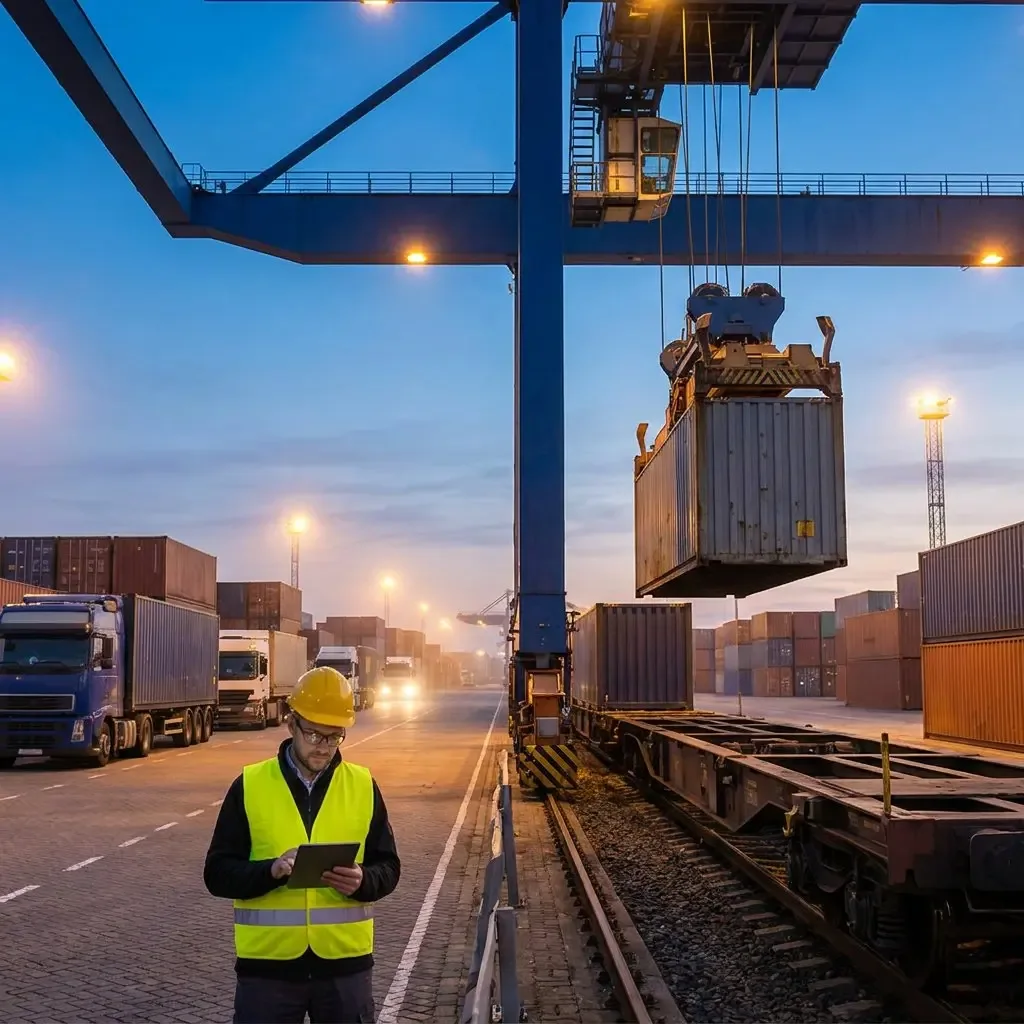
Intermodal and multimodal transport both combine more than one transport mode to move freight from origin to destination. The terms are often used interchangeably, but they describe different ways of organising the shipment, particularly around cargo handling, contracts and responsibility.
Understanding the difference helps importers and exporters choose the right level of control, coordination and accountability for each shipment. This is especially important when ocean or air freight must connect with pickup, customs processes and final delivery in the BENELUX.
The difference between intermodal and multimodal transport
The simplest distinction is this: intermodal transport focuses on how cargo moves between transport modes, while multimodal transport usually focuses on how the complete journey is contracted and managed.
Aspect | Intermodal transport | Multimodal transport |
|---|---|---|
Transport modes | Uses two or more modes, such as truck, rail, sea or air. | Uses two or more modes, such as truck, rail, sea or air. |
Cargo handling | The goods generally stay in the same loading unit, such as a sealed container, while the unit changes mode. | The journey may involve different modes and handling arrangements, depending on the transport plan. |
Contracts | May involve separate contracts or responsibility for individual legs. | Usually operates under one contract for the end-to-end journey. |
Main point of contact | The shipper may coordinate several carriers or providers. | One lead operator typically coordinates the overall movement. |
Control and administration | Can offer more control over each transport leg, but requires more coordination. | Reduces the shipper's coordination workload through a central point of responsibility. |
In practice, terminology can vary by carrier, country and contract. Always check the transport documents, agreed scope of service and liability terms instead of relying on the label alone.
What is intermodal transport?
Intermodal transport moves a shipment using multiple modes while keeping the goods in the same loading unit for most or all of the journey. A container may be collected by truck, transported by vessel and then delivered onward by road without unloading the cargo at every transfer point.
The loading unit is transferred between vehicles or terminals, not the individual goods. This can reduce handling of the cargo itself and help limit the risk of damage, loss or packing disruption during mode changes.
Example of intermodal transportation
A supplier ships a container from an overseas port to Antwerp by sea. Once discharged, the same container is collected for onward transport to the consignee's warehouse. The container changes from vessel to road transport, but the goods remain inside the sealed unit until delivery.
Depending on the route and commercial setup, different providers may be responsible for the ocean freight, terminal handling and inland movement. That gives the shipper flexibility, but it also makes clear instructions, document control and milestone visibility essential. For ocean freight, it is also useful to compare FCL vs. LCL shipping options.
What is multimodal transportation?
Multimodal transportation means moving goods with at least two modes of transport under a single transport arrangement. One lead provider, often called a multimodal transport operator, coordinates the complete journey even when other carriers perform parts of it.
For the shipper, the key benefit is simpler administration. Rather than managing each handoff independently, you have one main point of contact for planning, status updates and shipment exceptions across the journey. Understanding the difference between 3PL and 4PL can also help clarify how complex transport operations are managed.
Multimodal transport does not automatically mean the fastest or lowest-cost option. Its value is usually in coordinated execution: selecting suitable modes for the route while keeping ownership of the overall shipment plan clear.
How to choose the right transport setup
The right option depends less on the terminology and more on your operational priorities. Before booking, define who will arrange each leg, who is responsible for documentation and who will manage delays or changes.
- Choose a more intermodal setup when you want to select carriers or suppliers for individual legs and have the internal capacity to coordinate the handoffs.
- Choose a multimodal setup when you prefer a single coordinating party for a journey involving several modes, providers or delivery stages.
- Prioritise the loading unit when cargo protection and reduced handling are critical. Confirm whether the goods will remain in the same container or unit throughout the route.
- Review responsibility before departure by checking the transport documents, cargo insurance, Incoterms, customs responsibilities and delivery scope.
- Plan for exceptions by agreeing how schedule changes, inspections, missed cutoffs and additional terminal or storage costs will be communicated and handled.
What matters for international freight into and out of BENELUX
International freight often involves more than the main ocean or air leg. Pickup, export documentation, customs clearance, port handling, inland transport and delivery all need to connect without gaps in responsibility.
For importers, incomplete documents or late customs information can hold up cargo after arrival. For exporters, missed bookings, changing carrier schedules or unclear pickup arrangements can affect delivery commitments. Understanding the roles of freight forwarders, carriers, and customs brokers can help clarify responsibility across the journey. A clear transport plan should identify the required documents, shipment milestones, handoff points and accountable contacts before freight starts moving.
Ocean Quest Logistics provides 3PL logistics services and coordinates air and ocean freight, ground transportation and port-to-door last-mile delivery. For shipments that require several connected stages, our team can help you clarify the route, documentation requirements and delivery handoffs while providing shipment tracking and direct operational support.
Frequently asked questions
What does multimodal transportation mean?
Multimodal transportation is the movement of goods using two or more transport modes under one overall transport arrangement. A lead operator typically manages the journey from origin to destination, even if different carriers complete individual legs.
Is intermodal transport always container transport?
No. Containers are the most familiar example, but intermodal transport can also use other standardised loading units. The defining feature is that the loading unit transfers between modes while the goods generally remain inside it.
Which option gives the shipper more control?
Intermodal arrangements can provide more direct control over individual carriers, routes and commercial terms. However, that control also brings more coordination work. Multimodal arrangements generally offer less day-to-day carrier management for the shipper because one provider coordinates the overall journey.
What should I confirm before booking a multi-leg shipment?
Confirm the pickup and delivery scope, transport documents, customs responsibilities, loading-unit requirements, transit milestones, liability terms, insurance and the procedure for handling delays or unexpected costs. Clear information before departure helps prevent avoidable handoff issues later.
Need support coordinating international freight from booking through final delivery? Contact Ocean Quest Logistics to discuss your shipment and request a logistics plan.
Ready to move your next shipment?
Tell us what you're moving, where it needs to go and how often. We'll work out the right setup from there.